
Landlord Blog
Education and news for smart DIY landlords!
Renting vs. Buying: What's the Best Option for Veterans?
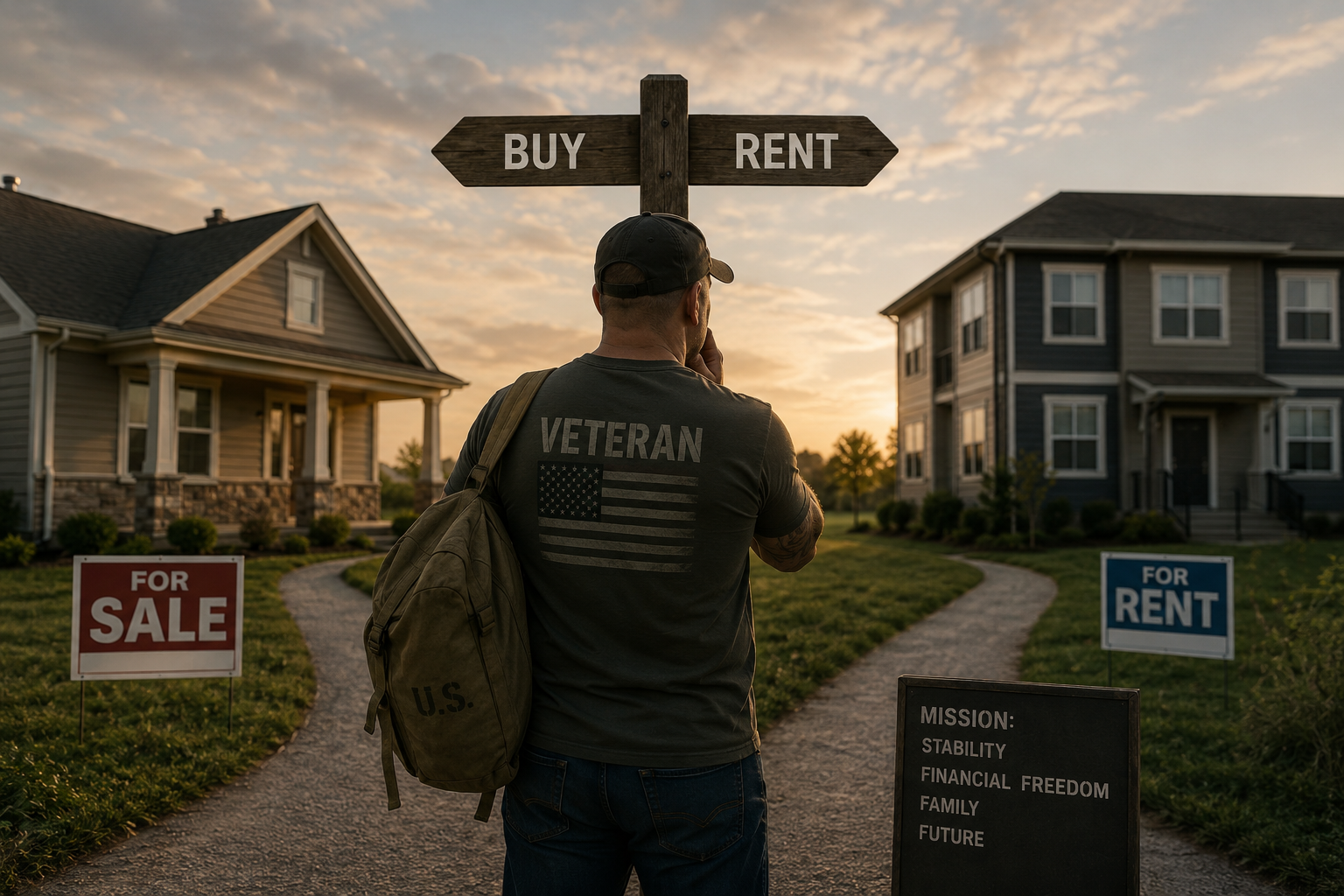
For many veterans, deciding whether to rent or buy a home is one of the most important financial choices they will make after military service. Both options offer advantages and challenges, and the right decision depends on individual circumstances, financial goals, and lifestyle preferences. Understanding the key differences between renting and buying can help veterans make a choice that supports their long-term stability and success.
The Advantages of Renting
Renting offers flexibility that many veterans find valuable, especially during periods of transition. Those who are adjusting to civilian life, pursuing education, starting a new career, or unsure where they want to settle may benefit from the freedom that renting provides.
One major advantage of renting is lower upfront costs. Renters typically need a security deposit and the first month's rent, which is often less expensive than the costs associated with purchasing a home. Additionally, renters are generally not responsible for major maintenance expenses, property taxes, or homeowner's insurance.
Renting can also be beneficial for veterans who anticipate relocating in the near future. Since lease agreements are usually shorter than mortgage commitments, renters can move more easily when new opportunities arise.
Read more: When Renting Makes Sense (and When It Doesn’t)
The Benefits of Homeownership
Buying a home offers a different set of advantages, particularly for veterans looking to establish long-term roots. Homeownership allows individuals to build equity over time as they pay down their mortgage and potentially benefit from property appreciation.
Veterans may have access to unique home financing opportunities that make purchasing more attainable. Certain programs can reduce upfront expenses and make monthly payments more manageable compared to traditional financing options.
Owning a home also provides greater control over the property. Homeowners can renovate, customize, and improve their living spaces according to their preferences without needing approval from a landlord. This sense of permanence and ownership can contribute to greater financial confidence and personal satisfaction.
For veterans planning to remain in one location for several years, buying may offer long-term financial advantages compared to paying rent indefinitely.
Discover: Hidden Costs of Homeownership First-Time Buyers Often Miss
Factors Veterans Should Consider

The decision between renting and buying should be based on more than just monthly housing costs. Veterans should evaluate their overall financial situation, including income stability, savings, debt levels, and future goals. Location is another important consideration. In some housing markets, purchasing a home may be more affordable than renting over the long term. In others, high home prices may make renting the more practical choice.
Lifestyle preferences also matter. Veterans who value flexibility and minimal maintenance responsibilities may prefer renting. Those seeking stability, community involvement, and the opportunity to build wealth through real estate may lean toward homeownership.
It is also important to consider future plans. A veteran expecting career changes, educational pursuits, or potential relocations may benefit from delaying a home purchase until circumstances become more certain.
Final Thoughts
There is no universal answer to whether renting or buying is the better option for veterans. Renting offers flexibility, lower upfront costs, and fewer responsibilities, while buying provides opportunities to build equity, establish roots, and create long-term financial value. By carefully evaluating personal finances, lifestyle goals, and future plans, veterans can make an informed housing decision that best supports their next chapter after military service.