
Landlord Blog
Education and news for smart DIY landlords!
Your Checklist for Buying a Home Without Regrets

Buying a home is a big decision, and it’s one that can feel overwhelming fast. With so many choices and emotions involved, it’s easy to focus on the excitement and overlook the details that really matter. Having a clear checklist helps you stay grounded, think clearly, and avoid decisions you might regret later.
Get Clear on What You Can Afford
Before anything else, understand your financial boundaries. It’s not just about what a bank is willing to lend you, it’s about what you can comfortably live with month after month.
Factor in your income, existing expenses, and future plans. Remember that homeownership includes more than just the monthly mortgage. Property taxes, maintenance, utilities, and unexpected repairs all add up. Staying realistic here prevents stress later.
Read more: How to Choose the Right Mortgage Plan for Your First Home
Define Your Non-Negotiables
Every buyer has a vision of their ideal home, but not everything on that list is essential. Separate your “must-haves” from your “nice-to-haves.”
Maybe location is your top priority, or maybe it’s the number of bedrooms. Knowing your non-negotiables helps you stay focused and prevents you from getting distracted by features that look good but don’t truly serve your needs.
Research the Location Thoroughly

A home isn’t just about the property itself. The surrounding area plays a huge role in your long-term satisfaction.
Look into commute times, nearby amenities, safety, and future developments. Visit the neighborhood at different times of day to get a real feel for it. A great house in the wrong location can quickly become a regret.
Discover: Urban vs Suburban: Choosing the Right San Diego Neighborhood for Your Lifestyle
Inspect More Than the Surface
It’s easy to fall for a home that looks perfect at first glance. Fresh paint and modern finishes can hide deeper issues.
Pay close attention to the structure, plumbing, electrical systems, and overall condition. Hiring a professional inspector is one of the smartest moves you can make. It gives you a clearer picture of what you’re actually buying and what it might cost to maintain.
Think Long-Term, Not Just Right Now
A home should fit your life not only today but also in the years ahead. Consider how your needs might change.
Will you need more space in the future? Is there room to adapt the layout if needed? Choosing a home with flexibility can save you from having to move again sooner than expected.
Read more: How to Pick a House That Will Grow with You
Review the Total Cost, Not Just the Price
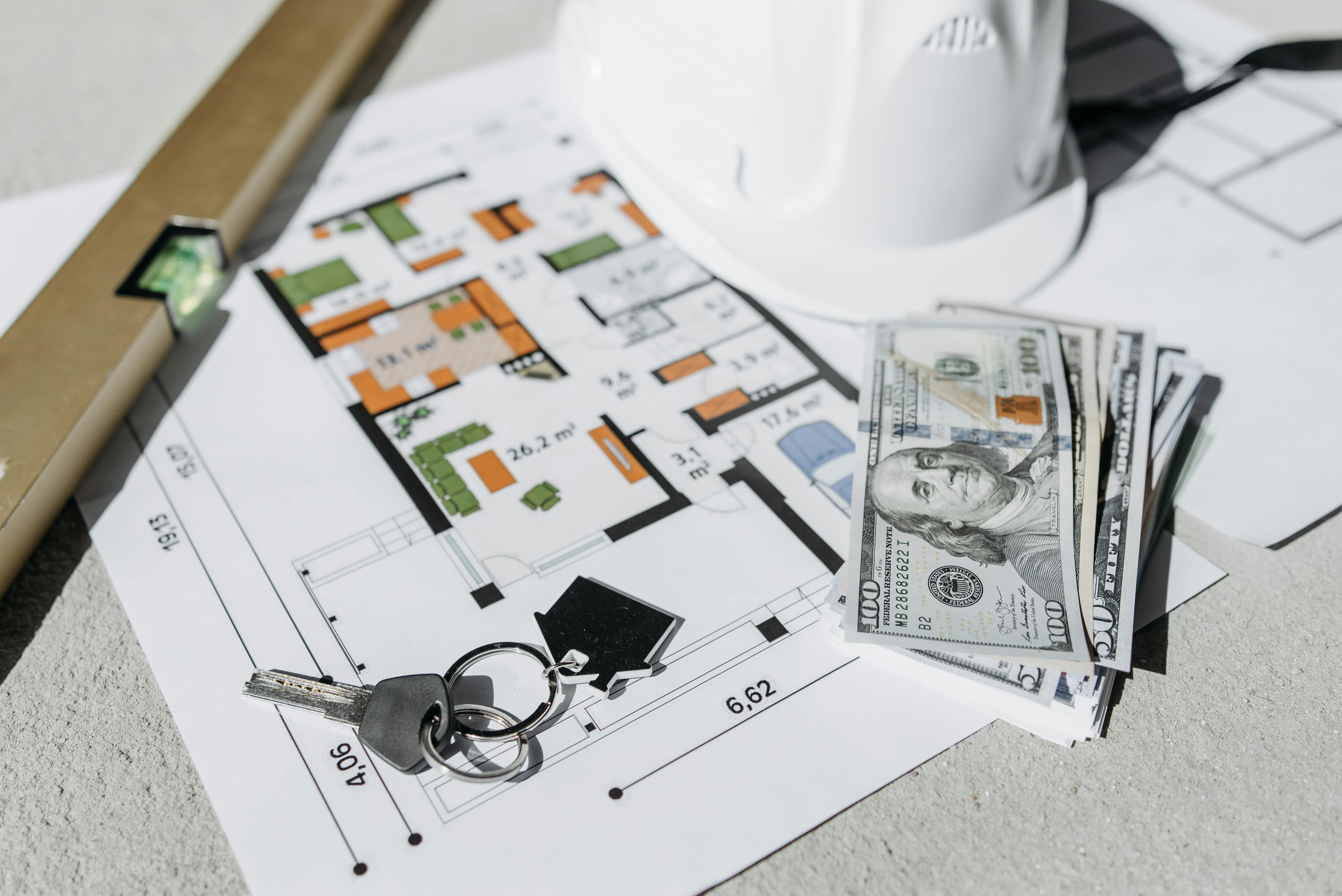
The purchase price is only part of the equation. Look at the full financial picture.
Closing costs, insurance, property taxes, and ongoing maintenance all contribute to the real cost of owning a home. Make sure you’re comfortable with the bigger picture, not just the upfront number.
Read more: Hidden Costs of Homeownership First-Time Buyers Often Miss
Don’t Rush the Decision
It’s easy to feel pressure, especially in competitive markets, but rushing often leads to second thoughts.
Take your time to compare options, revisit properties if needed, and ask questions. A home is too important to choose based on urgency alone.
Trust Logic Over Emotion
It’s natural to feel emotionally connected to a home, but decisions should still be grounded in facts. If something doesn’t add up financially or structurally, it’s okay to walk away.
Keeping a clear head helps you make a choice you’ll feel confident about long after the excitement fades.
Final Thoughts
Buying a home without regrets isn’t about finding something perfect. It’s about making a well-informed decision that aligns with your needs, budget, and future plans. A simple checklist can keep you focused on what truly matters. At the end of the day, the goal is to choose a home that feels right not just in the moment, but for years to come.