
Landlord Blog
Education and news for smart DIY landlords!
How to Pick a House That Will Grow with You
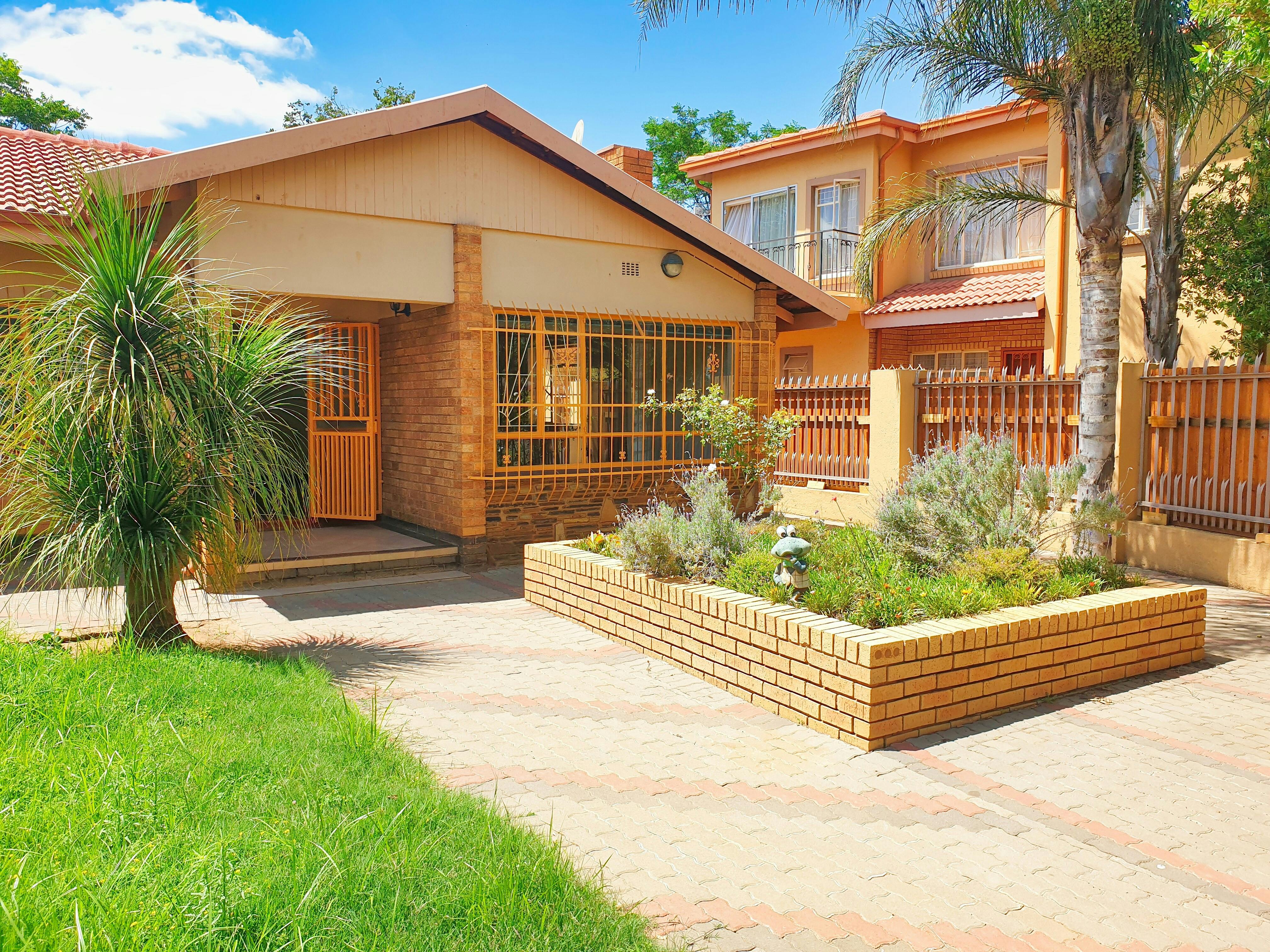
Buying a home isn’t just about what fits your life today. It’s about choosing a space that can adapt as your needs, routines, and priorities evolve. The right house should feel comfortable now but still make sense years down the line. That balance is what turns a purchase into a long-term investment in your lifestyle.
Think Beyond Your Current Situation
It’s easy to focus on your immediate needs. Maybe you want a home office, a short commute, or a certain number of bedrooms. But life rarely stays the same. Career changes, growing families, or even new hobbies can shift what you need from your space.
Instead of asking, “Does this work for me now?” try asking, “Will this still work if my life changes?” A spare room, flexible layout, or even a slightly larger lot can give you options later without forcing a move.
Read more: How to Find a Home That Fits Your Life, Not Your Wishlist
Prioritize Layout Over Finishes
It’s tempting to fall in love with modern kitchens, stylish tiles, or fresh paint. But those things are easier to change than the structure of a home. A well-designed layout will serve you longer than trendy finishes ever will.
Look for open or adaptable spaces that can be reconfigured over time. A dining room can become a workspace. A basement can turn into a rental unit or entertainment area. Focus on how the home flows and whether it gives you room to adjust.
Consider Location with Long-Term Value

A home’s location plays a huge role in how well it grows with you. Think about access to schools, transportation, healthcare, and daily essentials. Even if you don’t need these things now, you might later.
Also pay attention to the neighborhood’s future. Are there developments planned? Is the area improving or declining? A good location not only supports your lifestyle but also protects your investment.
Read more: Location, Location, Location: Why It’s Still the #1 Motivator for Buyers
Look at Storage and Expansion Potential
One of the first things people outgrow in a home is storage. Closets, garage space, and even attic or basement areas can make a big difference over time.
Beyond storage, think about whether the home allows for expansion. Can you build up or extend outward if needed? Even if you don’t plan to renovate soon, having that option adds flexibility and long-term value.
Read more: Home Improvements With the Best ROI
Balance Budget with Breathing Room

Stretching your budget to get your “dream home” can backfire if it leaves no room for future changes. A house that grows with you should also allow your finances to grow.
Choose something you can comfortably afford while still saving for upgrades, maintenance, or life changes. Financial flexibility is just as important as physical space.
Read more: How to Choose the Right Mortgage Plan for Your First Home
Think About Daily Functionality
Growth doesn’t always mean bigger. Sometimes it’s about how well a home supports your everyday life. Pay attention to things like natural light, ventilation, noise levels, and how easy it is to maintain.
A home that works smoothly day to day will continue to feel right even as your lifestyle shifts.
Final Thoughts
Picking a house that grows with you is really about thinking ahead without overcomplicating things. You don’t need to predict every detail of your future, but you should choose a home that gives you options. Flexibility, location, and thoughtful design matter more than perfection.
In the end, the best home isn’t just one that fits your life today. It’s one that keeps fitting, no matter how your story unfolds.