
Landlord Blog
Education and news for smart DIY landlords!
When Renting Makes Sense (and When It Doesn’t)
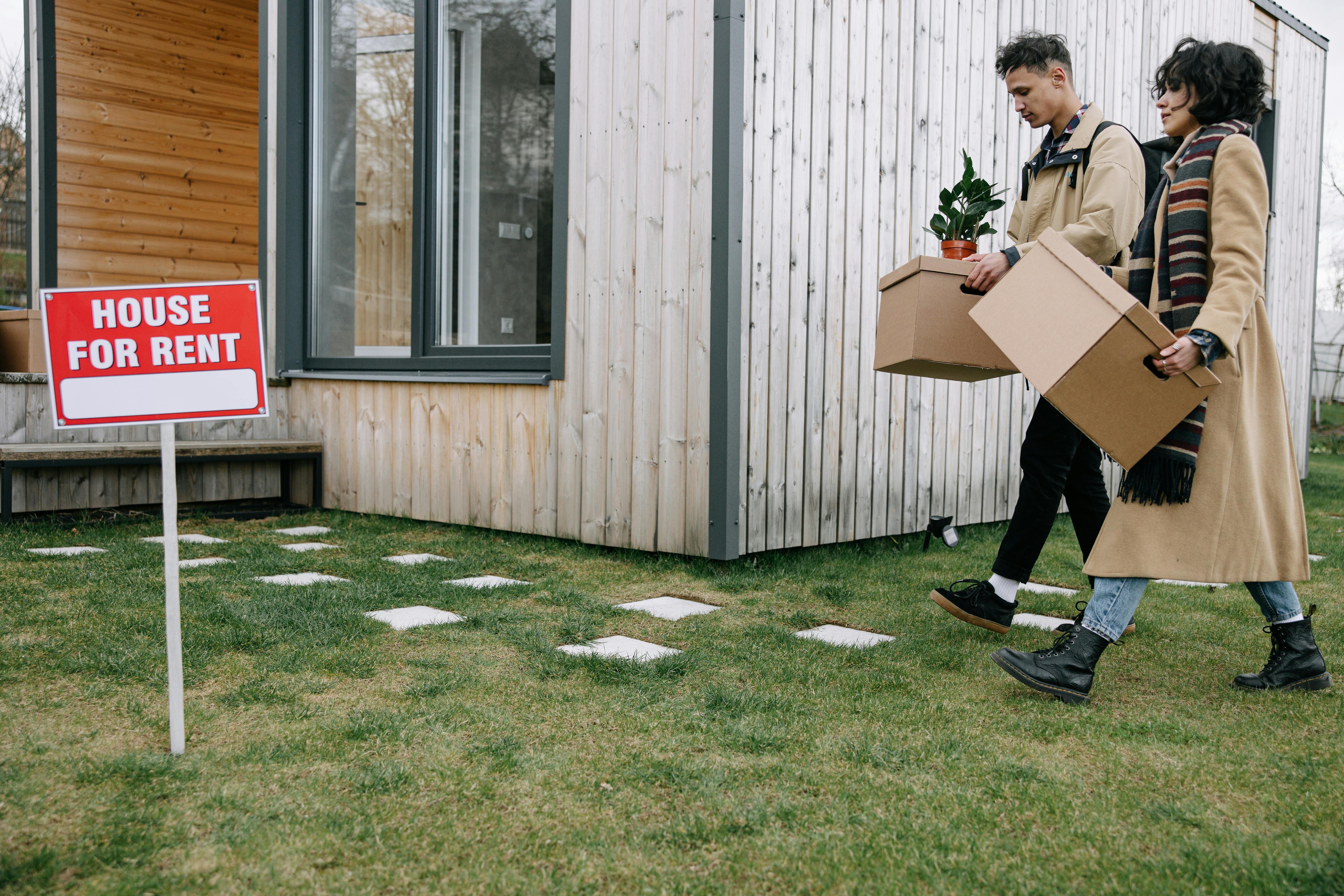
The rent vs. buy debate is often framed as a moral decision. Renting is sometimes treated like a temporary failure and buying like a universal milestone of adulthood. In reality, it’s a financial and lifestyle choice, and the right answer depends entirely on your situation, timing, and priorities.
Let’s break down when renting genuinely makes sense and when it might be holding you back.
When Renting Makes Sense

You value flexibility.
If your career, education, or personal life is still in motion, renting can be the smarter option. Short-term leases make it easier to relocate for a job opportunity, graduate program, or lifestyle change without worrying about selling a property or absorbing market losses.
You’re early in your financial journey.
Buying a home comes with more than just a down payment. Closing costs, maintenance, repairs, insurance, and property taxes add up quickly. Renting allows you to control costs while you build savings, improve your credit score, or pay down high-interest debt.
You don’t want maintenance responsibilities.
When something breaks in a rental, it’s usually not your problem. That predictability matters if you prefer stable monthly expenses or simply don’t want the time and stress of managing repairs, renovations, or unexpected costs.
The local housing market is expensive.
In some cities, buying costs far more per month than renting a similar place. If the numbers don’t work and you’d be stretching your budget just to own, renting can free up cash for investing, travel, or other goals that matter more to you right now.
You’re investing elsewhere.
Renting doesn’t mean throwing money away if you’re intentionally investing the difference. For disciplined savers and investors, renting while growing assets can be just as powerful as building home equity.
When Renting Doesn’t Make Sense

You plan to stay put long-term.
If you’re settled in one place for five years or more, buying often starts to make financial sense. Over time, mortgage payments can become more predictable than rent increases, and equity builds with each payment.
You want stability and control.
Homeownership offers freedom renters don’t have. You can renovate, customize, and make long-term plans without worrying about lease renewals or landlords selling the property.
Rent keeps rising faster than your income.
In many markets, rent increases outpace salary growth. A fixed-rate mortgage can provide long-term cost stability and protect you from unpredictable housing costs.
You’re financially ready.
If you have a solid emergency fund, manageable debt, steady income, and a realistic understanding of ownership costs, buying can be a strong wealth-building tool. Over time, property appreciation and equity can significantly strengthen your financial position.
Discover: The Hidden Costs of Homeownership: What Buyers Often Overlook
Conclusion
Renting isn’t a failure, and buying isn’t always a win. Renting makes sense when it supports flexibility, financial growth, and peace of mind. It stops making sense when it delays stability you’re ready for or drains money without offering long-term value.
The smartest choice is the one that fits your life as it actually is, not the version you feel pressured to live. Timing, numbers, and personal goals matter more than labels. When those align, the decision usually becomes clear.