
Landlord Blog
Education and news for smart DIY landlords!
How Seasonal Changes Can Affect Rental Property Maintenance
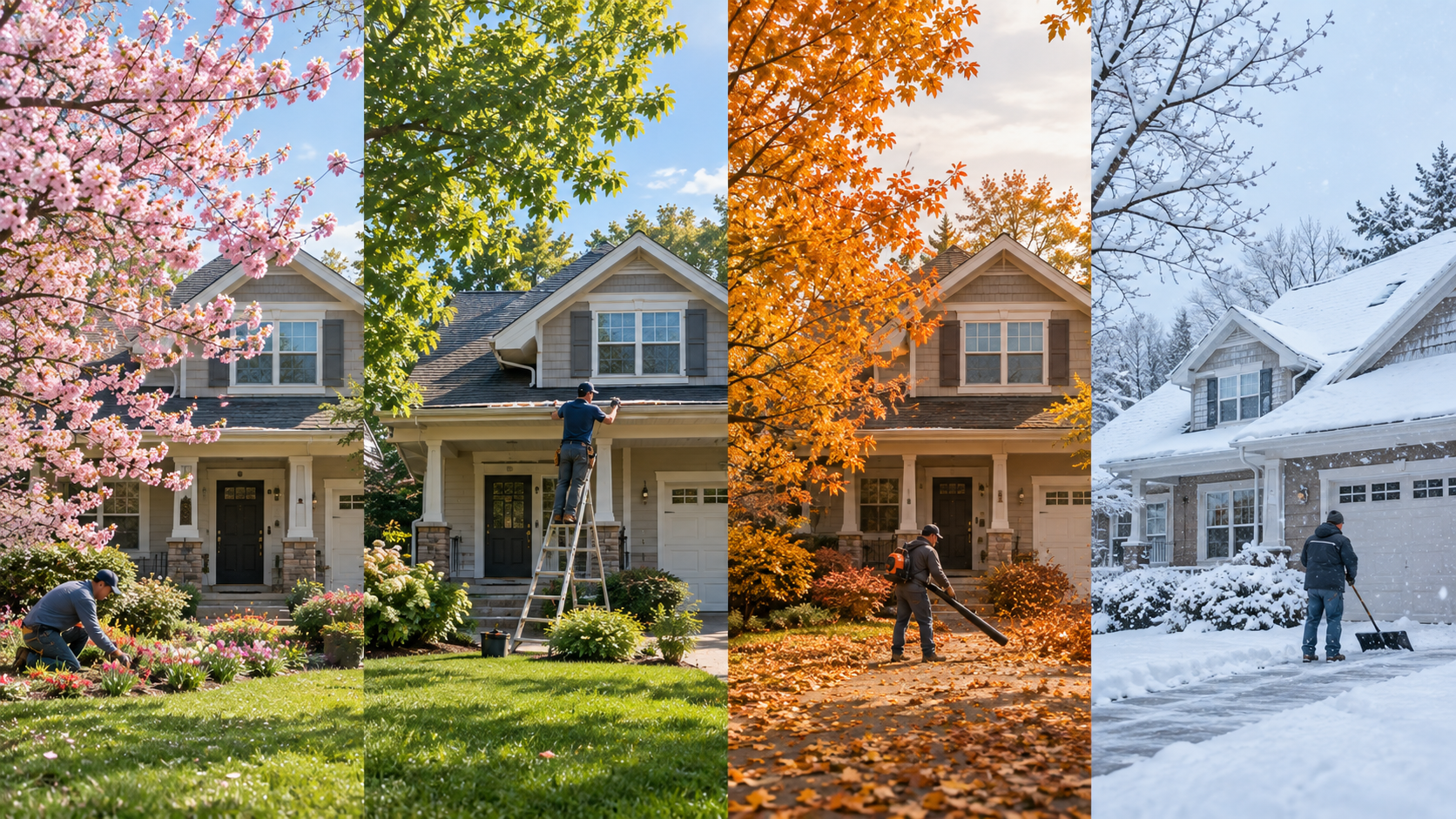
Seasonal changes can have a major impact on rental property maintenance. As temperatures, weather conditions, and humidity levels change throughout the year, different parts of a property may require additional attention. For landlords and property managers, staying ahead of seasonal maintenance can help prevent expensive repairs, protect the property, and provide tenants with a safe and comfortable place to live.
Spring Maintenance and Inspection
Spring is a good time to inspect a rental property after the colder and wetter months. Landlords should check the roof, gutters, windows, doors, and exterior walls for signs of water damage or wear. Gutters should be cleared of leaves and debris so rainwater can drain properly.
Spring is also a useful time to inspect landscaping. Overgrown trees or branches may create safety concerns or damage roofs, siding, fences, or utility lines. Checking outdoor lighting, irrigation systems, and walkways can also help address problems before they become larger issues.
Read more: Here’s Your Spring Home Maintenance Checklist
Summer Heat Can Increase Wear
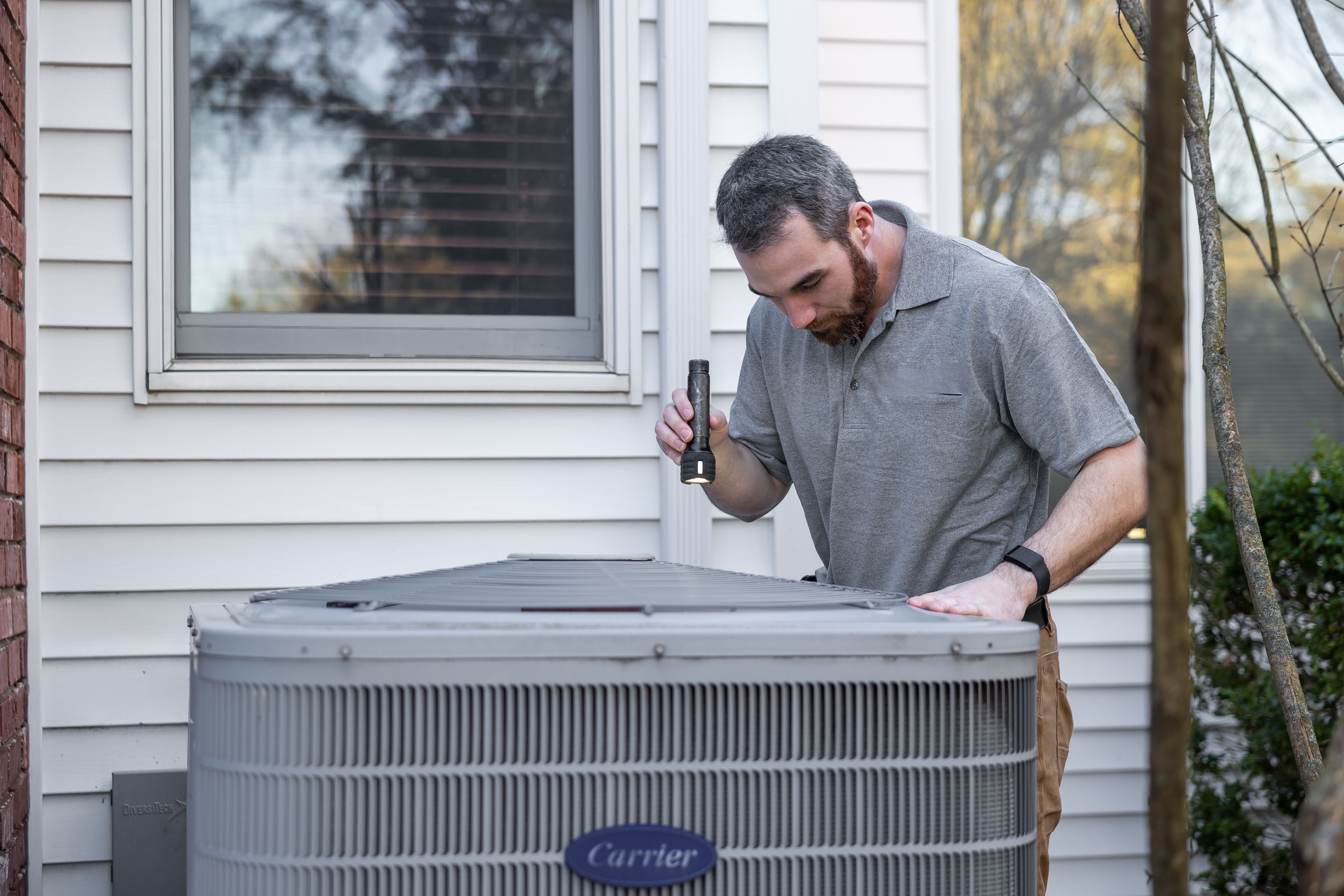
Hot weather can place additional stress on a rental property's cooling systems. Air conditioners may run more frequently, increasing the likelihood of clogged filters, reduced efficiency, or mechanical problems. Regular HVAC inspections and filter replacements can help maintain proper airflow and indoor comfort.
Summer is also a good time to inspect exterior areas for damage caused by heat and prolonged sunlight. Fences, decks, paint, roofing materials, and outdoor fixtures can deteriorate over time when exposed to intense weather conditions.
Fall Preparation
Fall provides an opportunity to prepare the rental property for colder or wetter conditions. Gutters and downspouts should be cleaned again, especially if surrounding trees shed large amounts of leaves. Roof inspections can help identify missing shingles, damaged flashing, or other problems that could lead to leaks.
Heating systems should also be checked before temperatures drop. Replacing filters and scheduling professional servicing when needed can help ensure the system operates safely and efficiently.
Winter Maintenance Concerns
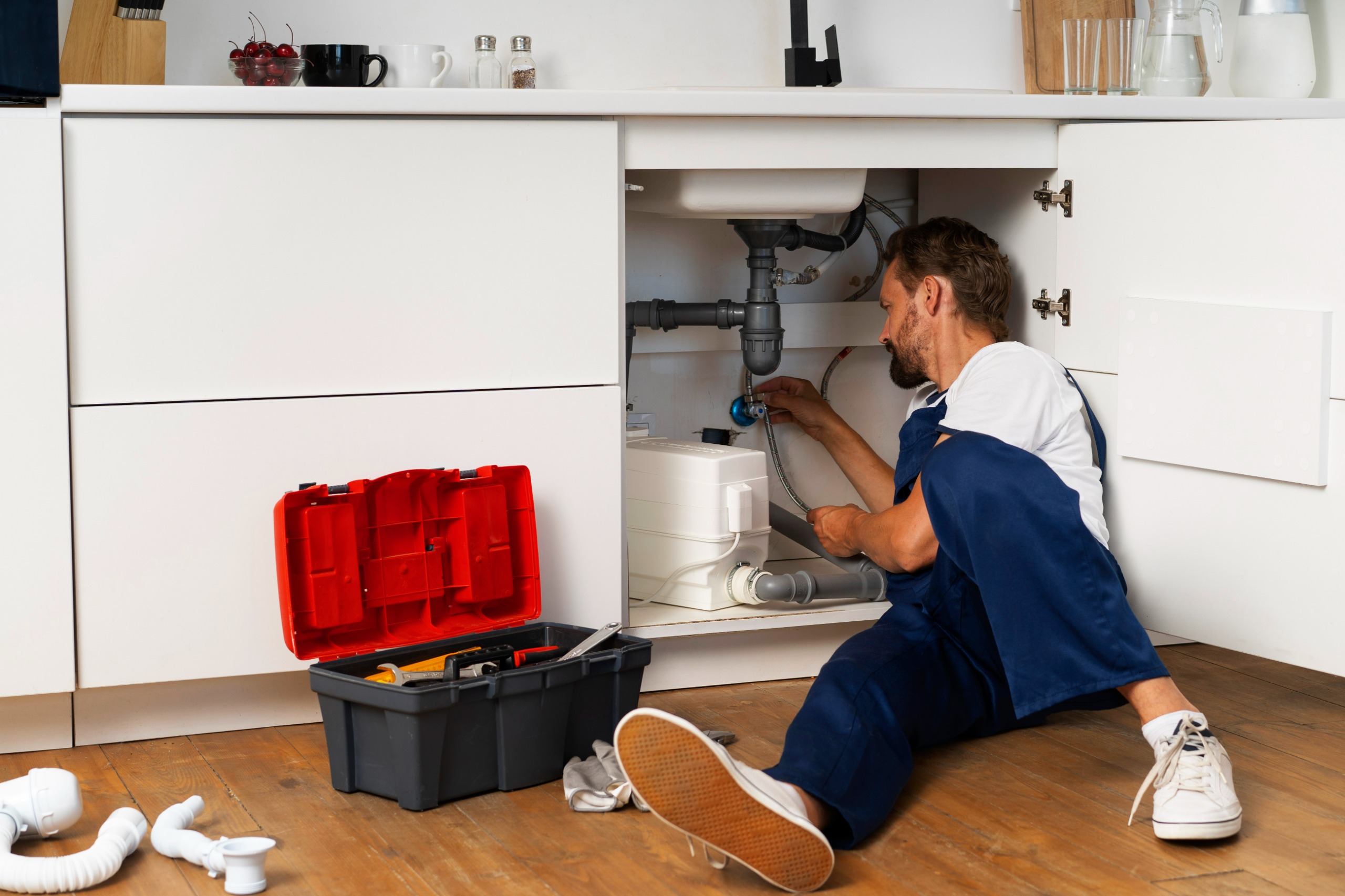
Winter weather can bring rain, strong winds, freezing temperatures, or other conditions that affect rental properties depending on the location. Landlords should monitor plumbing, roofing, drainage, and heating systems during this season.
Water leaks can become particularly damaging when left unnoticed. Tenants should know how to report maintenance problems quickly, especially issues involving plumbing, heating, electrical systems, or significant water intrusion.
Read more: 7 Maintenance Tips to Winter-Proof Your Rental Property
Why Preventive Maintenance Matters
Seasonal rental property maintenance is about more than fixing problems after they happen. Regular inspections allow landlords to identify small issues before they become expensive repairs. A proactive maintenance schedule can also help extend the life of major systems and reduce unexpected disruptions for tenants.
Landlords should keep records of inspections, repairs, service appointments, and routine maintenance. Working with qualified professionals for specialized systems can also help ensure repairs are completed properly.
Read more: Preventive Maintenance Matters More Than Ever in Long-Term Rentals
Final Thoughts
Seasonal changes can affect nearly every part of a rental property, from the roof and gutters to HVAC systems, plumbing, landscaping, and exterior surfaces. By planning maintenance around changing weather conditions and addressing problems early, landlords and property managers can protect their investments while creating a safer and more comfortable rental experience for tenants.