
Landlord Blog
Education and news for smart DIY landlords!
How to Decide Whether to Repair, Replace, or Renovate a Rental Property
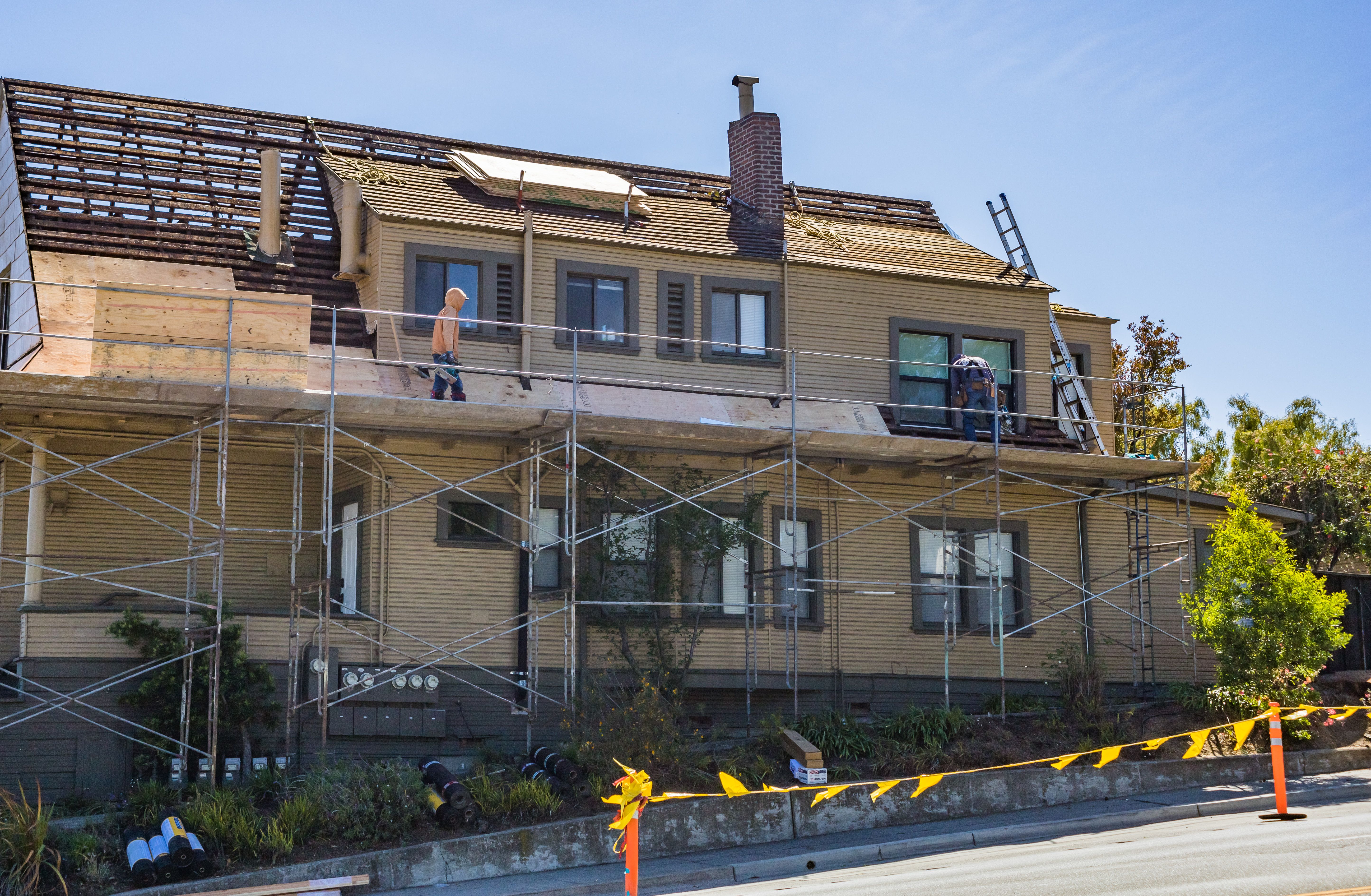
Owning a rental property often means making decisions about maintenance and improvements. When something breaks or an area of the property starts showing its age, landlords may wonder whether they should repair the existing feature, replace it entirely, or undertake a larger renovation. The right choice depends on the property's condition, cost, expected lifespan, tenant needs, and long-term investment goals.
Start With the Property's Condition
Before spending money, assess the condition of the item or area that needs attention. A minor plumbing issue, damaged cabinet, or worn section of flooring may only require a straightforward repair. However, repeated problems can indicate that repairing the same item is no longer cost-effective. If an appliance, roof, HVAC system, or plumbing component is approaching the end of its useful life, replacement may provide better value over time.
Read more: Signs a House Isn’t Worth the Investment
Compare Repair and Replacement Costs
Cost is one of the most important factors in the decision. Get estimates for both repairing and replacing the item when possible. A cheap repair may make sense if it extends the useful life of the feature for several years. On the other hand, repeated repair bills can quickly exceed the cost of replacement. Consider not only the immediate expense but also the likelihood of future breakdowns, maintenance requirements, and operating costs.
Consider Energy Efficiency
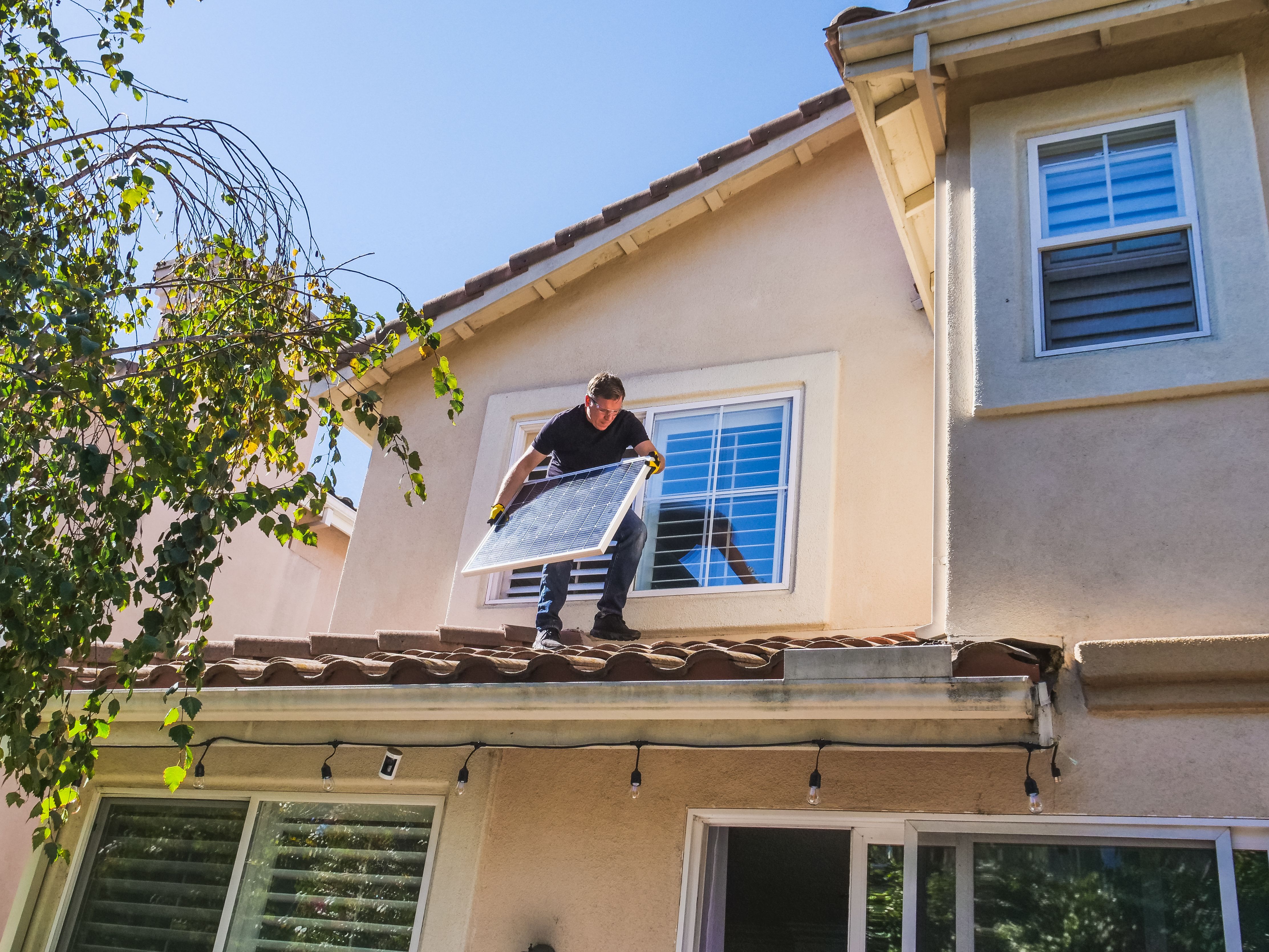
Older appliances, windows, lighting systems, heating equipment, and cooling systems may consume more energy than newer alternatives. Replacing inefficient equipment can sometimes reduce operating costs and make the property more attractive to prospective tenants.
Before investing, calculate the potential savings and consider the expected lifespan of the new equipment. A higher upfront cost may be worthwhile if it provides meaningful long-term savings.
Think About Tenant Expectations
Rental properties need to meet reasonable expectations for comfort, functionality, and safety. A property with outdated finishes isn't necessarily a problem, but obvious deterioration or unreliable features can make it harder to attract and retain tenants.
Ask whether the proposed improvement addresses a genuine problem or simply reflects a personal preference. Rental property improvements should generally be evaluated based on their ability to preserve value, improve functionality, reduce expenses, or support rental demand.
Know When Renovation Makes Sense
Renovation involves more than replacing one broken component. It can include updating a kitchen, bathroom, flooring, exterior, or several areas at once.
A larger renovation may make sense when multiple features are outdated, the property has significant deferred maintenance, or improvements could meaningfully increase its appeal and long-term value. However, renovations can involve significant costs, delays, permits, and disruptions for tenants.
Create a detailed budget before beginning and include a contingency amount for unexpected expenses.
Discover: The 6 Most Common Home Renovation Mistakes to Avoid
Consider the Property's Location
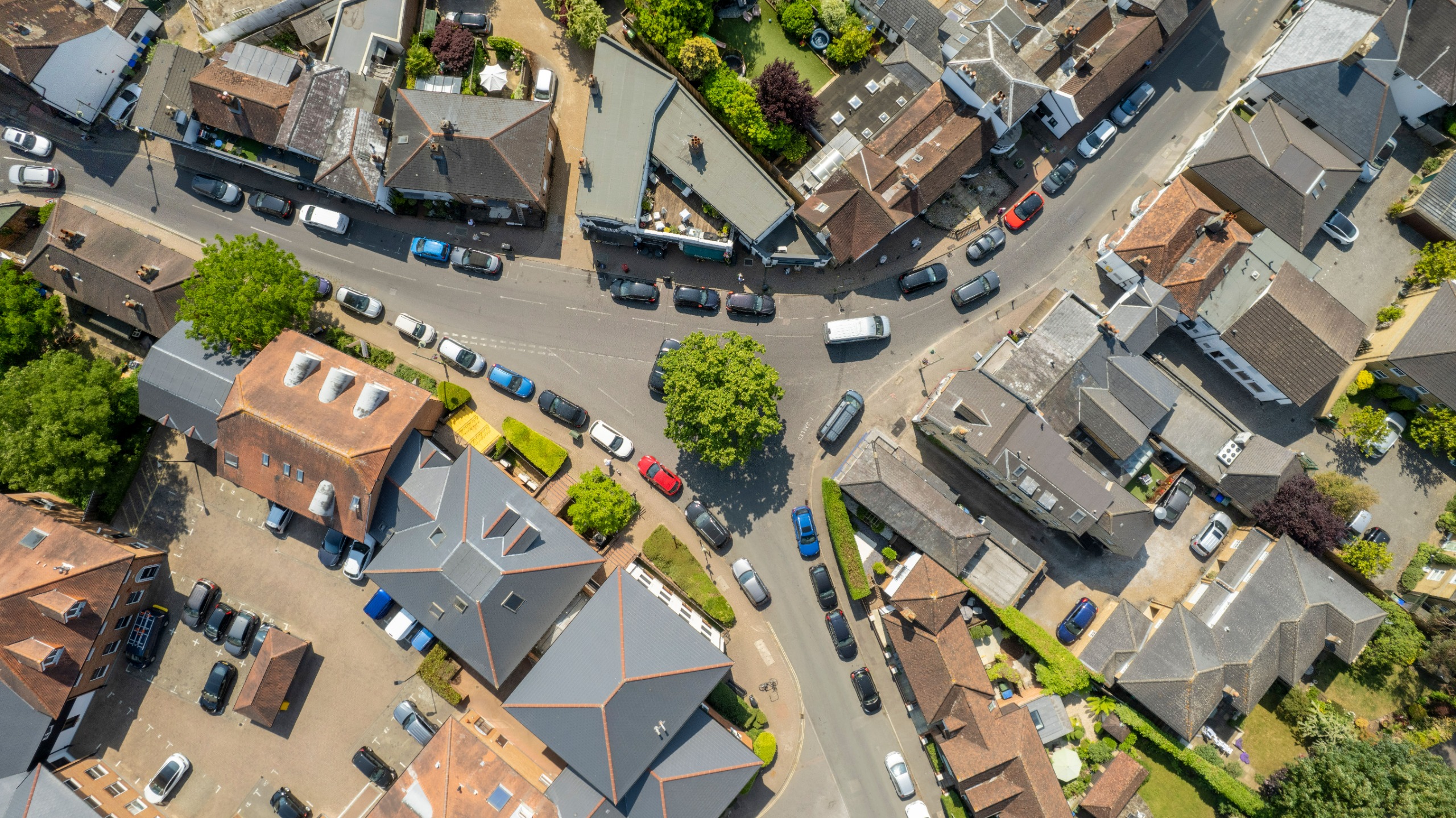
The surrounding rental market should influence how much you invest. Improvements that make sense in one market may not produce the same return in another. Research comparable rental properties and determine what features tenants are looking for. You don't necessarily need the most expensive finishes. Improvements should generally align with the expectations of the local market.
Think Long Term
Your investment strategy matters. If you plan to hold the property for many years, investing in durable materials, reliable systems, and energy-efficient upgrades may make more sense than choosing the cheapest option. If you're preparing to sell, you may prioritize improvements that enhance the property's marketability without taking on unnecessary expenses.
Read more: Top Home Improvements and Upgrades That Pay Off
Final Thoughts
Deciding whether to repair, replace, or renovate a rental property requires careful consideration. Start by evaluating the property's condition, compare costs, consider efficiency and tenant expectations, and examine your long-term investment plans. Repairs can be ideal for minor problems, replacement may make sense when an item has reached the end of its useful life, and renovation can be worthwhile when broader improvements are needed. By making decisions based on both current costs and future value, landlords can spend strategically while protecting their rental investment.