
Landlord Blog
Education and news for smart DIY landlords!
7 Quick Checks to Keep Your Rental Property on Track
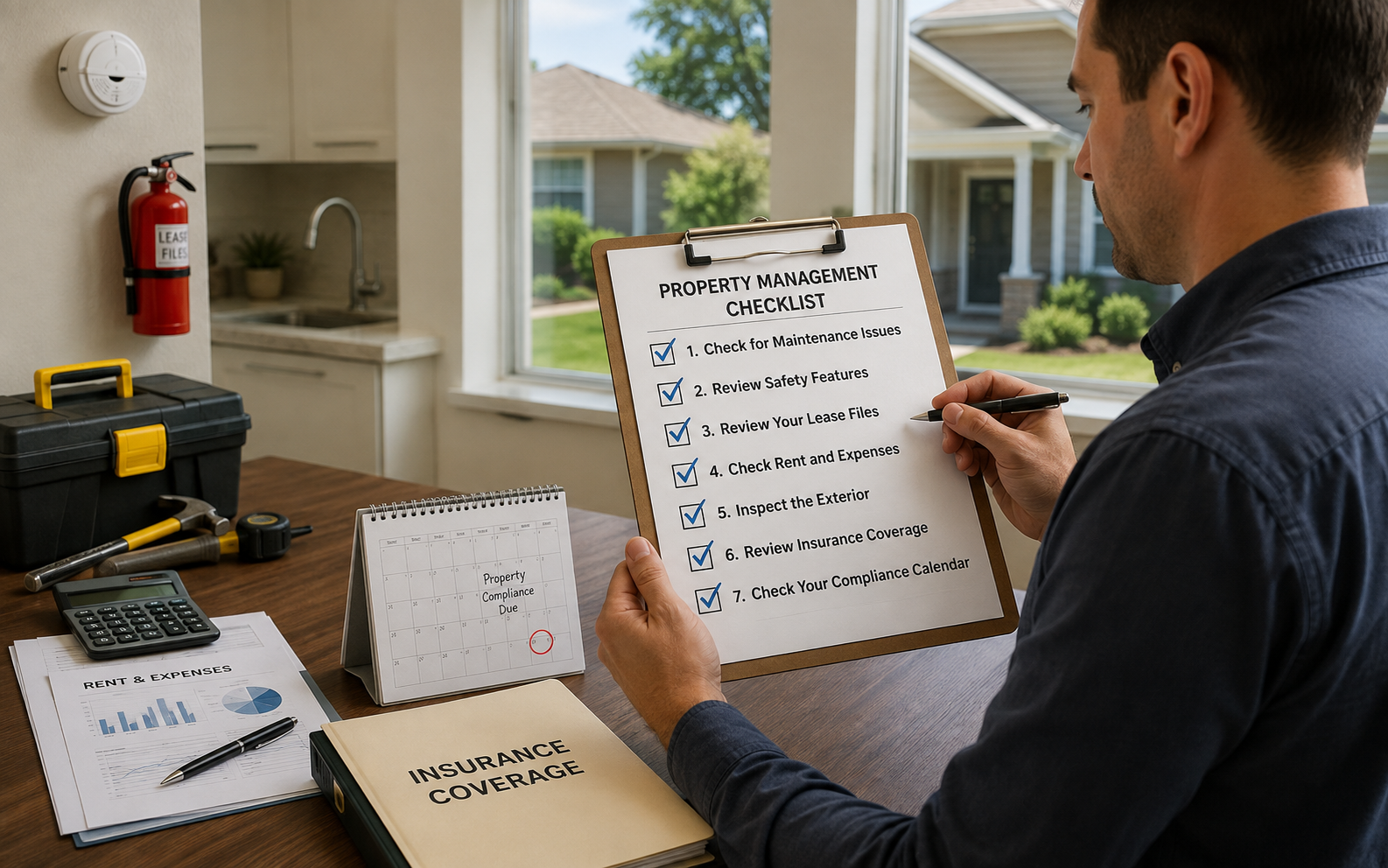
Owning a rental property can be a rewarding investment, but staying on top of small issues is essential for protecting its value and maintaining a smooth landlord-tenant relationship. You do not always need a major inspection to spot potential problems. A few quick, consistent checks can help you catch maintenance concerns, financial issues, and administrative gaps before they become expensive headaches. Here are seven practical checks to keep your rental property on track.
1. Check for Maintenance Issues
Walk through the property regularly, when permitted by applicable laws and with proper notice to tenants. Look for signs of leaks, water damage, mold, damaged fixtures, or unusual wear. Pay attention to ceilings, walls, plumbing areas, windows, and appliances.
Small maintenance problems can become significantly more expensive when ignored, so create a system for documenting and addressing repairs promptly.
Discover: How to Handle Maintenance Requests Without Losing Money
2. Review Safety Features
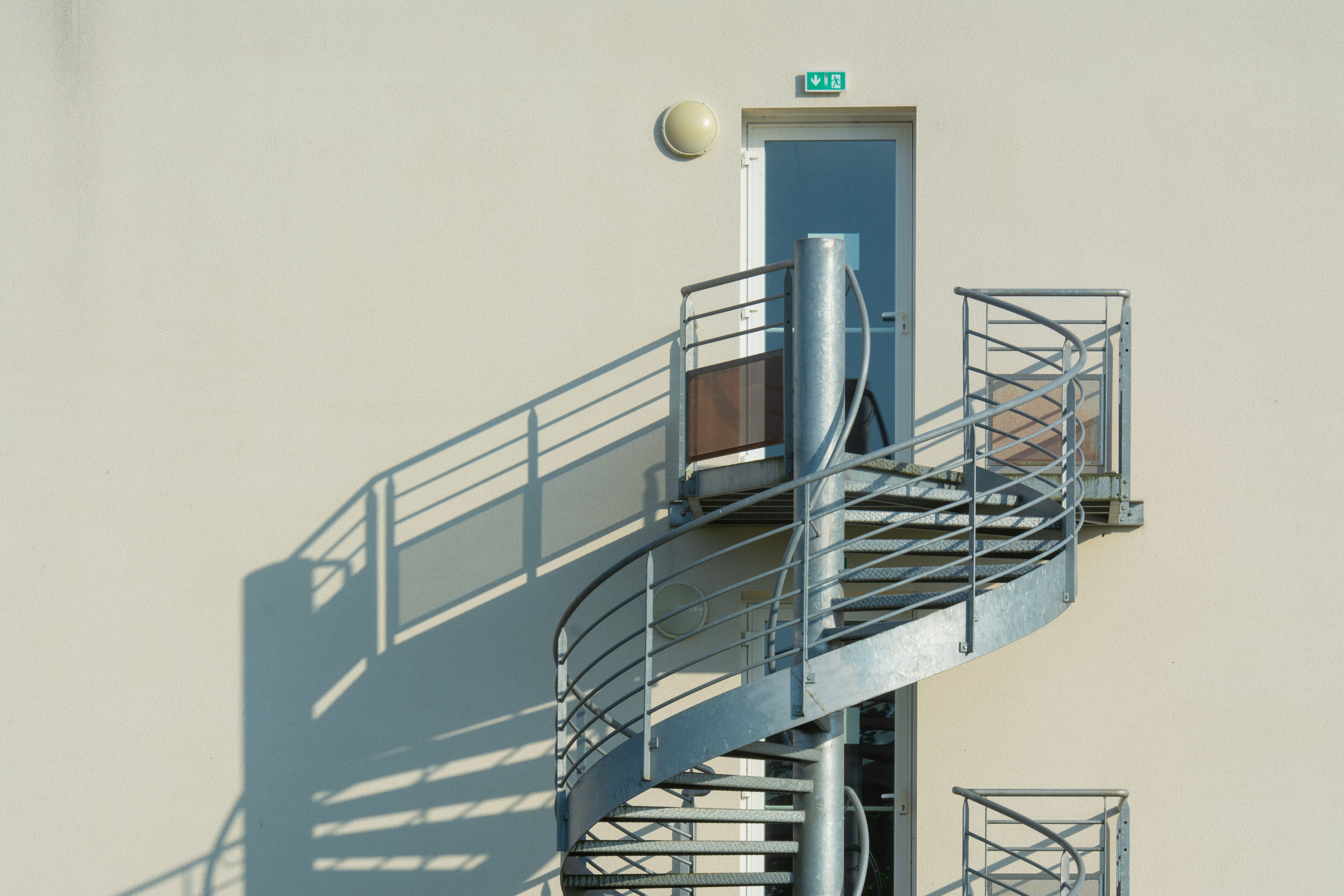
Make sure important safety equipment is present and functioning properly. Depending on the property and applicable local requirements, this may include smoke alarms, carbon monoxide detectors, fire extinguishers, exterior lighting, handrails, and secure locks.
Requirements vary by jurisdiction and property type, so review applicable housing and safety codes rather than assuming every property follows the same standards.
3. Review Your Lease Files
Take a few minutes to confirm that your lease documents, amendments, notices, and other important records are organized and up to date. Check that you have accurate contact information and documentation for important communications.
Clear records can become especially valuable when resolving disagreements or demonstrating that required procedures were followed.
4. Check Rent and Expenses
Review your rental income and property-related expenses regularly. Confirm that rent payments are being recorded correctly and look for unexpected increases in utilities, repairs, insurance, or other operating costs.
A simple monthly review can help identify changes in cash flow before they affect your overall investment strategy.
5. Inspect the Exterior

The outside of a rental property can reveal problems that are easy to overlook. Check landscaping, drainage, fences, gutters, walkways, exterior paint, roofing areas that are visible from the ground, and signs of pest activity.
Seasonal checks are particularly useful because weather can create new maintenance needs throughout the year.
6. Review Insurance Coverage
Your property, tenant situation, and financial circumstances can change over time. Review your insurance coverage periodically to make sure it still fits the property and your needs.
Pay attention to policy limits, deductibles, exclusions, and any requirements related to rental properties. Contact your insurance professional when you are unsure whether a change in circumstances affects your coverage.
Read more: Renter’s Insurance: How It Benefits Landlords
7. Check Your Compliance Calendar
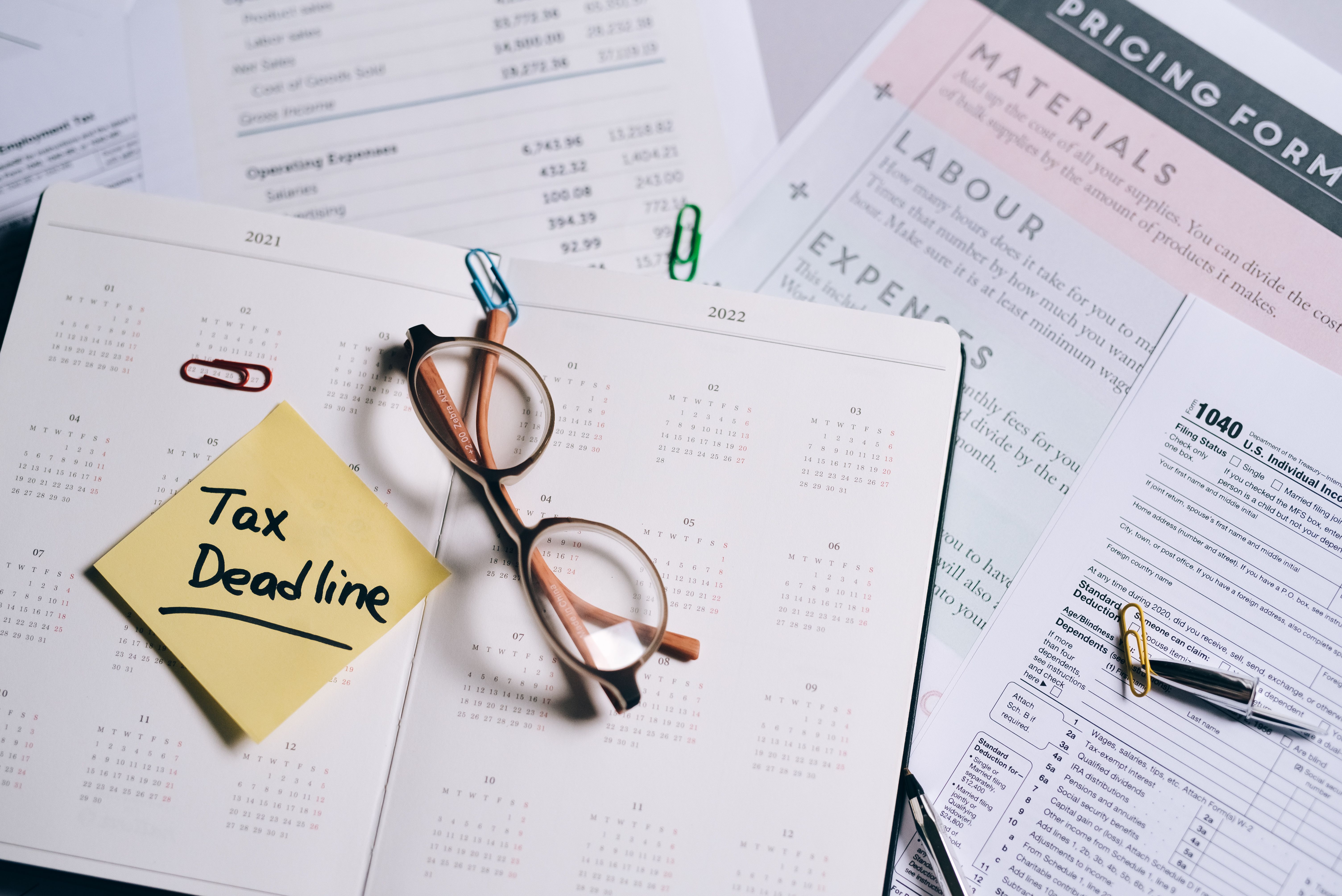
Rental property ownership often involves deadlines. Depending on your location, you may need to keep track of inspections, permits, licenses, lease requirements, rent notices, tax obligations, or other regulatory responsibilities.
Create a calendar with recurring deadlines and review it regularly. Staying organized can help prevent a missed requirement from becoming a costly problem.
Final Thoughts
Keeping a rental property on track does not have to involve complicated routines. Regularly checking maintenance, safety, records, finances, exterior conditions, insurance, and compliance can help you identify problems while they are still manageable. Because landlord-tenant laws and property requirements vary by location, use these checks as a starting point and verify specific obligations with qualified local professionals when necessary. A consistent review process can protect your investment while helping you manage the property more confidently.