
Landlord Blog
Education and news for smart DIY landlords!
When a Cheap Home Isn’t a Good Deal: Investment Warning Signs

At first glance, a low-priced home can feel like a win. Whether you’re a first-time buyer or an investor hunting for value, it’s easy to get excited about a property that seems like a bargain. But not every cheap home is a good deal. In fact, some can quietly turn into expensive mistakes if you don’t look beyond the price tag.
Here’s how to spot the warning signs before you commit.
1. Hidden Structural Problems
One of the biggest risks behind a cheap home is what you can’t immediately see. Cracks in the foundation, uneven floors, or doors that don’t close properly can point to serious structural issues. These repairs aren’t just costly—they can also take months to fix. A home inspection might cost upfront, but it’s far cheaper than discovering major damage after you’ve already bought the property.
2. Location Red Flags
You’ve probably heard the phrase “location matters,” and it’s true for a reason. A home priced well below market value could be in an area with declining property values, high crime rates, or poor access to schools, transportation, and essential services. Even if the house itself looks decent, a bad location can make it difficult to resell or rent out later.
Read more: Location, Location, Location: Why It’s Still the #1 Motivator for Buyers
3. Outdated Systems
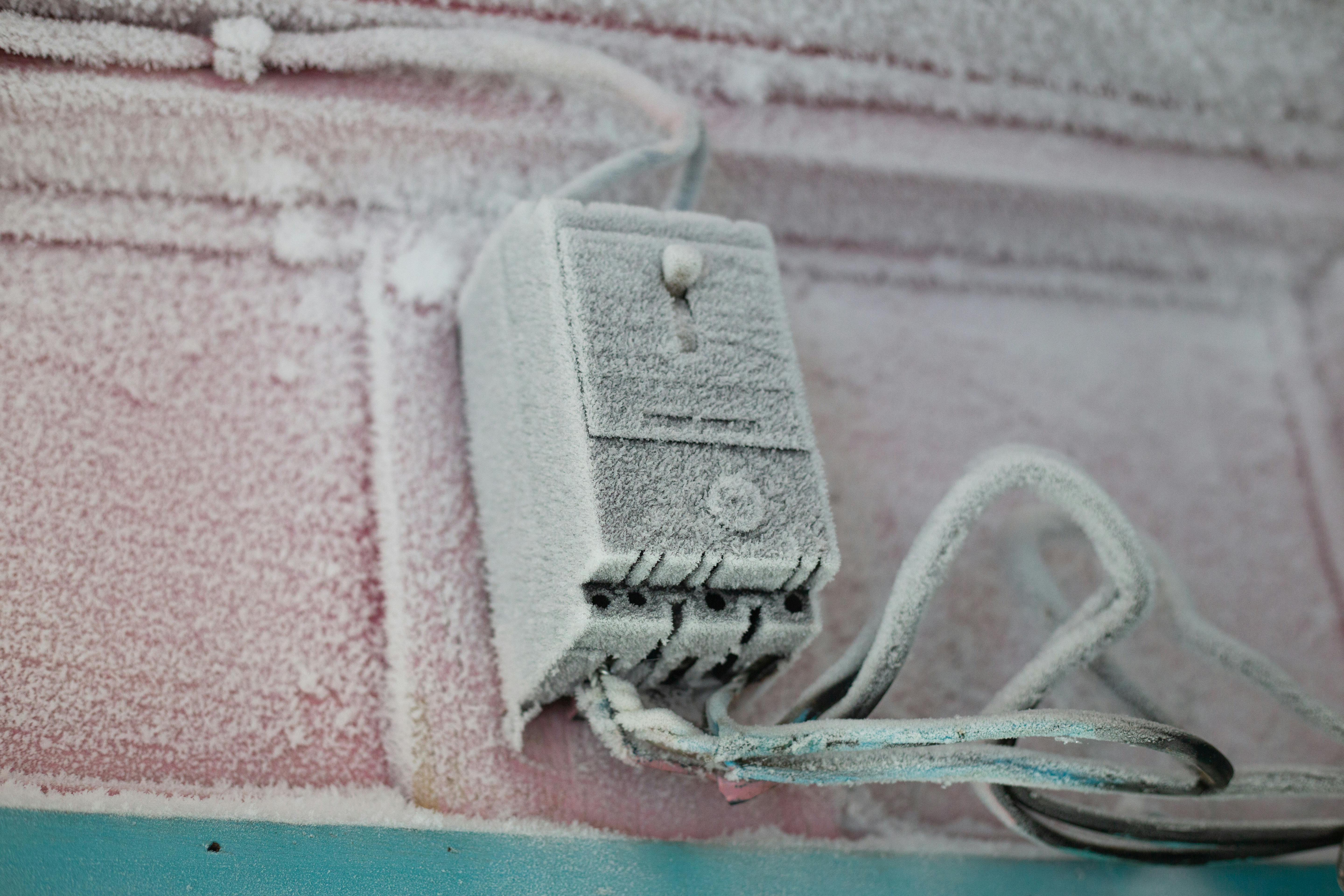
Older homes often come with outdated plumbing, electrical wiring, or roofing. These might still function for now, but they could fail sooner than expected. Replacing a roof, rewiring a house, or fixing old pipes can quickly wipe out any savings you thought you were getting. If multiple systems need updating, that “cheap” home can become a money pit.
4. Signs of Poor Maintenance
A neglected home tells a story. Peeling paint, mold growth, water stains, and overgrown landscaping can indicate years of poor upkeep. When owners skip regular maintenance, small issues tend to grow into bigger, more expensive problems. It also raises questions about what else may have been ignored behind the walls.
5. Unusual Price Compared to the Market
If a property is significantly cheaper than similar homes in the area, there’s usually a reason. It could be legal issues, zoning problems, or even disputes tied to the property. Sometimes homes are priced low because they’ve been sitting on the market for too long, which can signal that other buyers have already spotted issues.
Discover: When a Listing Has Been Sitting: Smart Moves Buyers Can Make
6. High Renovation Costs
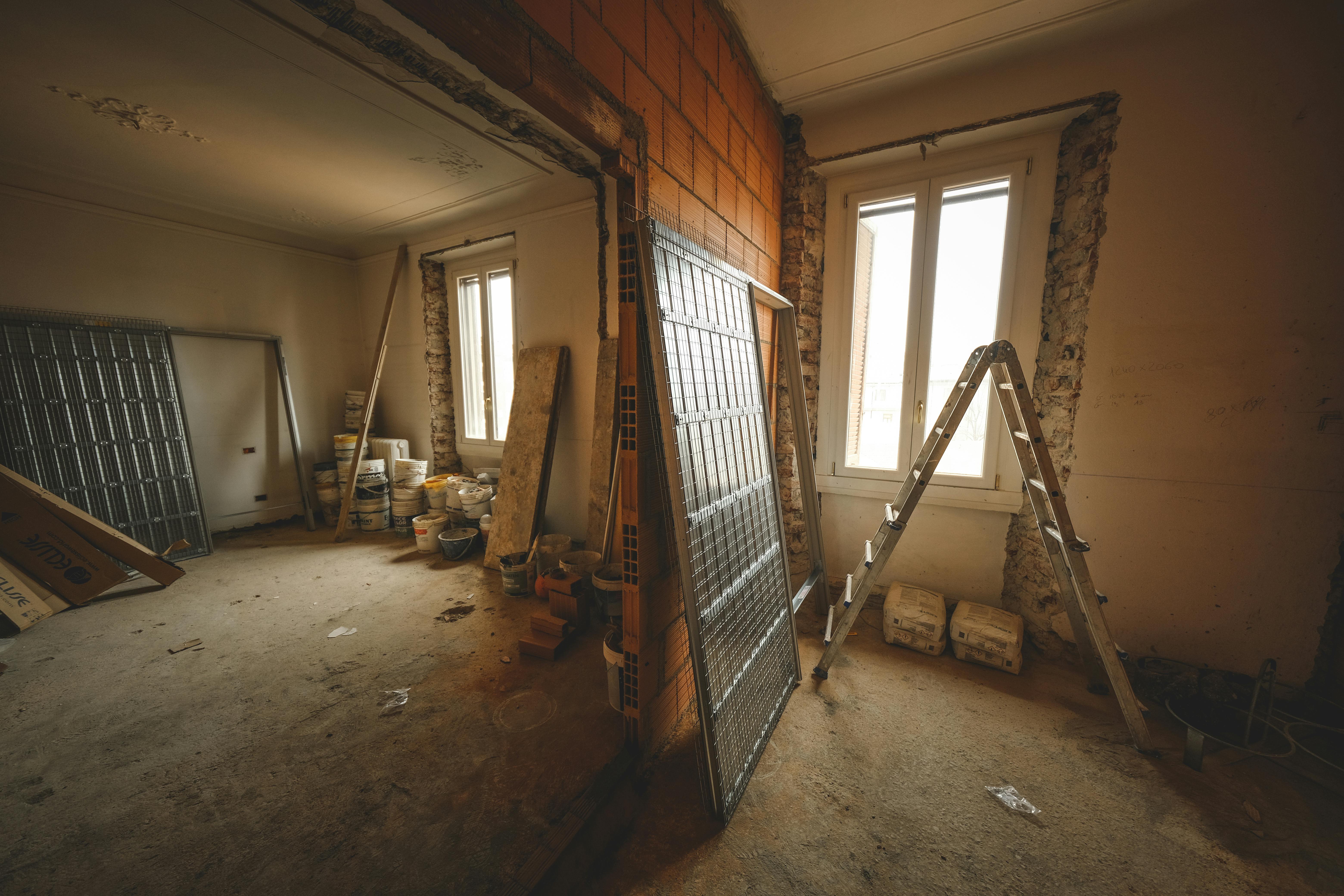
Some buyers intentionally look for fixer-uppers, which can be smart if the numbers make sense. But underestimating renovation costs is a common mistake. Materials, labor, permits, and unexpected repairs can quickly add up. Before buying, it’s important to get realistic estimates and compare them to the property’s potential value after improvements.
7. Difficult Financing or Insurance
If lenders are hesitant to approve a mortgage or insurance companies refuse coverage, take it seriously. These institutions assess risk carefully, and their concerns often point to underlying problems. A home that’s hard to finance is also likely to be harder to sell in the future.
Final Thoughts
A cheap home isn’t automatically a bad investment—but it’s never just about the price. The real value lies in what the property will cost you over time, not just what you pay upfront. Taking a step back, doing proper inspections, and asking the right questions can save you from costly regrets.
Sometimes, paying a little more for a solid, well-maintained home is the smarter move in the long run.