
Landlord Blog
Education and news for smart DIY landlords!
When a Listing Has Been Sitting: Smart Moves Buyers Can Make
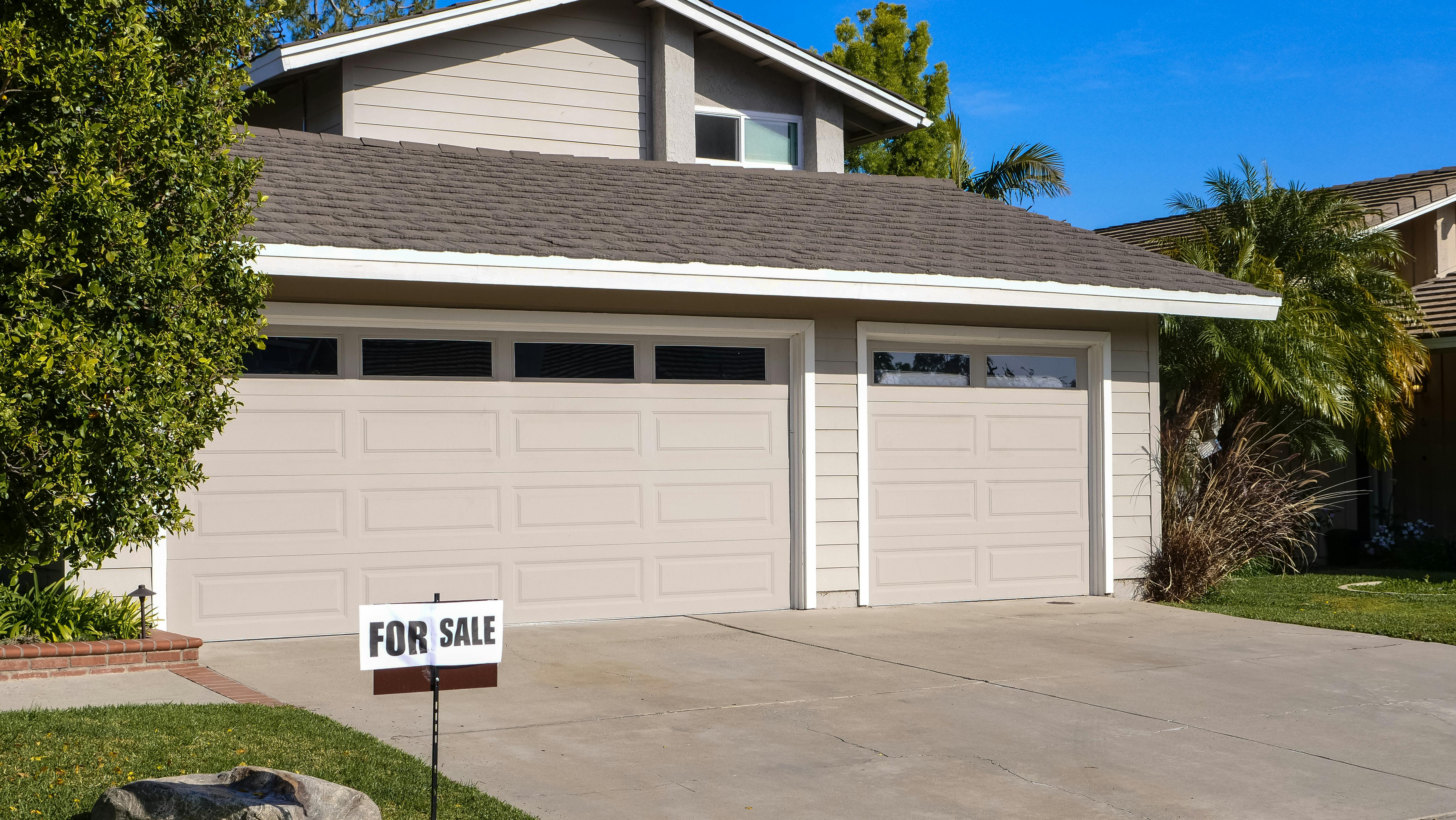
In a fast-moving market, homes can disappear in days. So when you come across a listing that’s been sitting for weeks or even months, it naturally raises a question: What’s wrong with it? The truth is, not every stale listing is a red flag. Sometimes it’s simply a matter of timing, pricing, or presentation. For buyers who are willing to look closely and move strategically, a home that hasn’t sold yet can open the door to real opportunity.
Start With the “Why”
Before jumping to conclusions, dig into why the property hasn’t moved. It could be overpriced for the neighborhood. It might have awkward listing photos that don’t do it justice. It could have hit the market during a slow season or when interest rates spiked.
Ask your agent to check the listing history. Has there been a price reduction? Was it previously under contract and fell through? If so, find out why. Sometimes deals collapse because of financing issues on the buyer’s side, not because of something wrong with the house. Understanding the backstory gives you leverage and clarity.
Use Time as Negotiating Power

When a home sits, sellers often feel pressure. Carrying costs like mortgage payments, taxes, and utilities don’t stop just because the house isn’t selling. That pressure can create room for negotiation. This doesn’t mean submitting an unrealistic lowball offer. It means making a well-supported offer based on comparable sales and current market conditions. If the seller has already reduced the price once, they may be more open to flexible terms, closing cost credits, or repair concessions. You can also negotiate beyond price. Consider asking for appliances, a home warranty, or a quicker closing timeline if that benefits you.
Read more: Things You Can Negotiate During a Home Sale
Look Past Surface Issues
Sometimes a property lingers because of cosmetic problems. Dated paint colors, old carpeting, or cluttered staging can turn off buyers who struggle to see potential. If the structure is solid and the layout works, cosmetic updates are usually manageable. Repainting, updating light fixtures, or replacing flooring can dramatically shift how a home feels. Buyers willing to see past presentation flaws often face less competition and can secure better pricing.
That said, don’t ignore major concerns. Always schedule a thorough inspection. Structural issues, roofing problems, foundation cracks, or outdated electrical systems require careful cost evaluation.
Read more: Is a Distressed Property a Good Deal in 2026?
Recheck Market Comparables

Markets shift quickly. A home that was overpriced three months ago might now be fairly priced if nearby inventory has tightened. On the other hand, if similar homes are selling for less, that strengthens your negotiating position. Review recent comparable sales, not just current listings. Sold prices tell you what buyers are actually willing to pay.
Be Patient, But Decisive
One advantage of a sitting listing is reduced urgency. You likely won’t be competing against ten other offers. That gives you time to evaluate thoughtfully. However, if the home checks your boxes and the numbers make sense, don’t assume it will sit forever. Well-priced homes can suddenly gain attention, especially after a price adjustment.
Final Thoughts
A listing that’s been sitting isn’t automatically a problem. In many cases, it’s an opportunity. With careful research, smart negotiation, and a clear understanding of renovation or repair costs, buyers can secure strong value. The key is to approach it with curiosity instead of fear. Sometimes the home everyone overlooked is the one that turns out to be the smartest move.