
Landlord Blog
Education and news for smart DIY landlords!
Home Selling Timeline: What to Expect From Listing to Closing
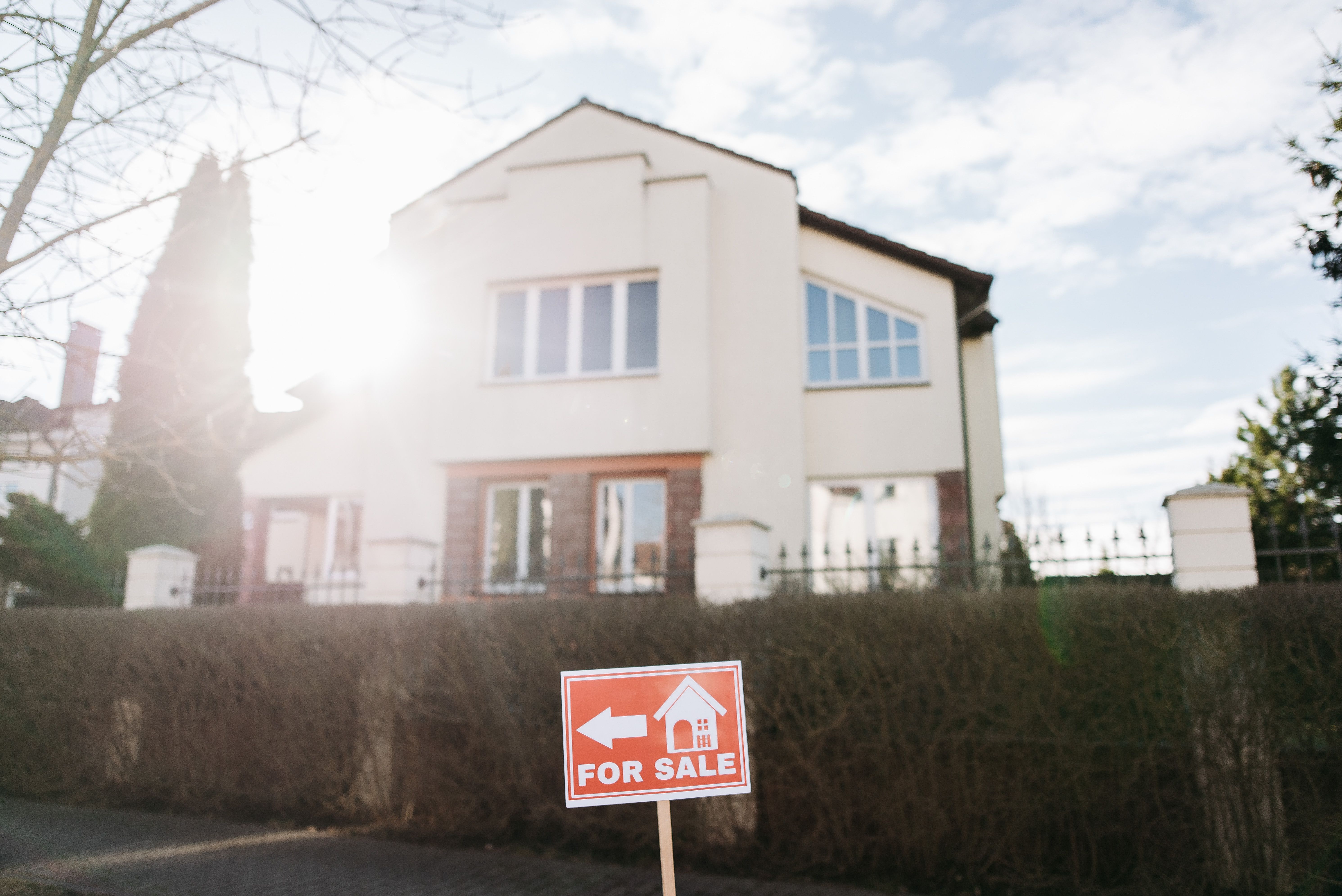
Selling a home involves more than putting a "For Sale" sign in the yard. From preparing your property for the market to signing the final paperwork, each step plays an important role in a successful transaction. While every sale is unique, understanding the typical home selling timeline can help you set realistic expectations and reduce stress throughout the process. Here's what you can generally expect from listing your home to closing the sale.
Step 1: Prepare Your Home for the Market
Before your home is listed, it's important to make it as appealing as possible to potential buyers. This may include decluttering, deep cleaning, making minor repairs, enhancing curb appeal, and staging key rooms to highlight the home's best features.
Your real estate agent may also recommend professional photography and a pricing strategy based on current market conditions and comparable home sales. Taking time to prepare your property can help generate stronger interest once it goes live.
Step 2: List Your Home
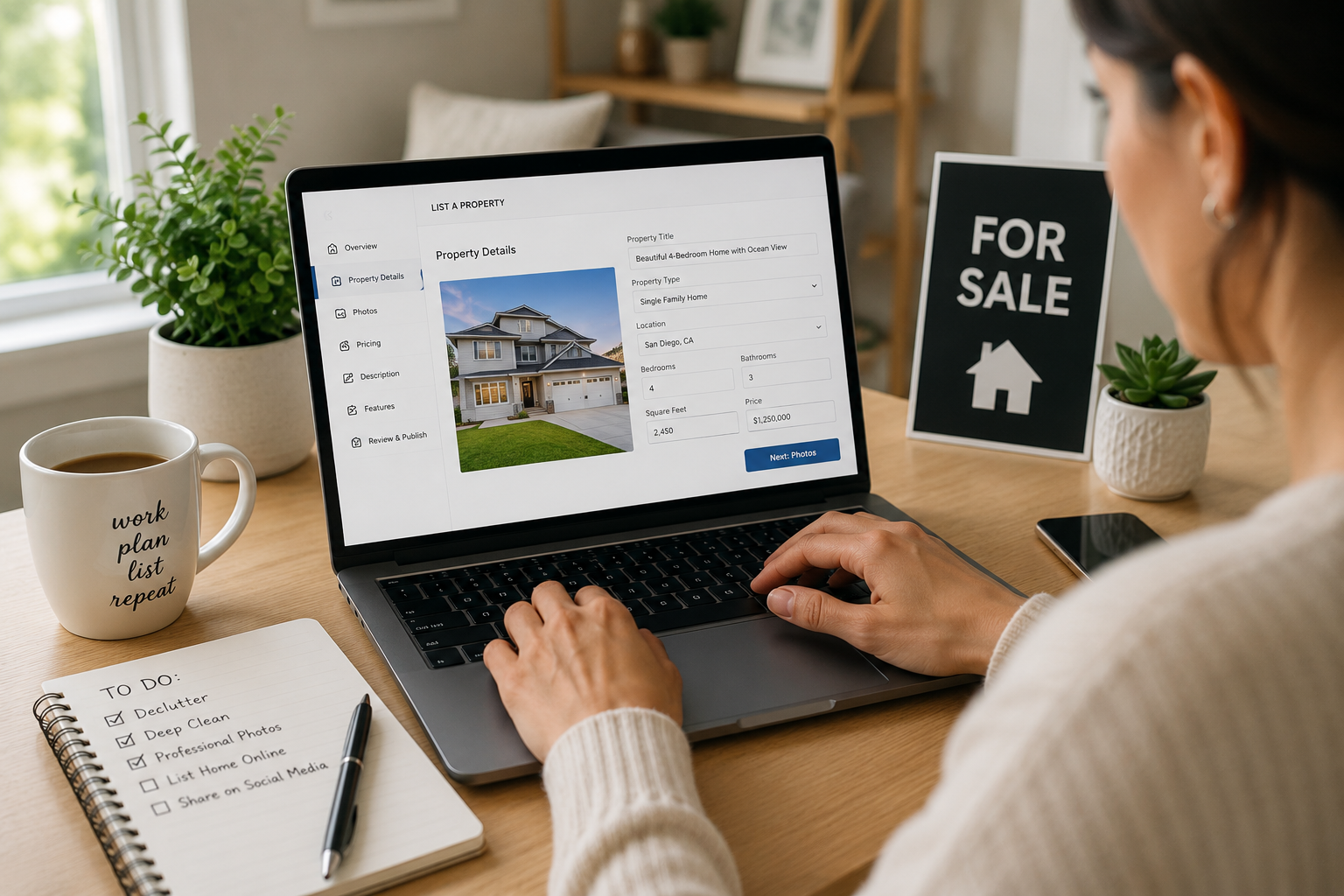
Once everything is ready, your home is officially listed for sale. The listing includes photos, a description, property details, and the asking price. It is then shared through various real estate platforms and marketing channels to reach potential buyers. During this stage, you'll begin scheduling private showings and, in some cases, open houses. Keeping your home clean and ready for visitors can increase your chances of receiving offers quickly.
Step 3: Review and Negotiate Offers
When buyers are interested, they'll submit offers that include the proposed purchase price, financing details, contingencies, and preferred closing date. Rather than focusing only on the highest offer, carefully review all terms. Financing strength, inspection contingencies, and the buyer's flexibility can all influence which offer is the best fit. Negotiations may involve adjustments to price, repairs, or closing costs before both parties reach an agreement.
Step 4: Enter Escrow
Once an offer is accepted, the transaction moves into escrow. During this period, a neutral third party helps manage documents, funds, and contractual obligations until all conditions have been satisfied. The buyer typically deposits earnest money while both parties work through the agreed-upon contingencies outlined in the purchase contract.
Step 5: Inspections and Appraisal

Most buyers schedule a professional home inspection shortly after entering escrow. The inspection identifies any significant issues that may require repairs or further evaluation.
If the buyer is obtaining a mortgage, the lender usually orders an appraisal to confirm the property's value. Depending on the results, additional negotiations may occur regarding repairs or pricing before moving forward.
Step 6: Final Loan Approval
For financed purchases, the buyer's lender completes the underwriting process by reviewing financial documents, the appraisal, and other required information. Once all lending conditions are met, the loan receives final approval. During this time, both the buyer and seller continue completing any remaining contractual obligations to keep the transaction on schedule.
Step 7: Closing Day
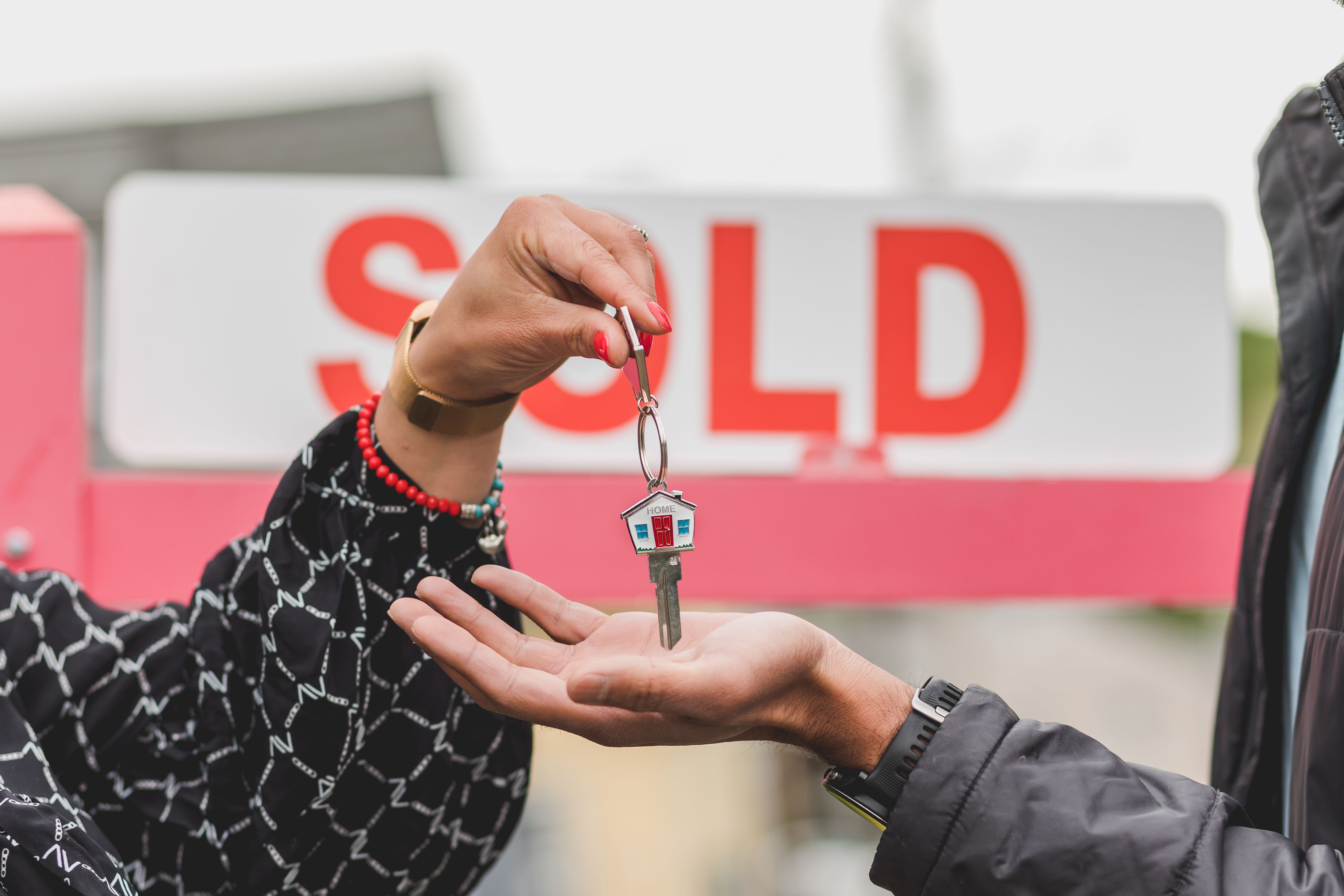
Closing is the final step in the home-selling process. The buyer signs loan documents, the seller signs transfer documents, and all required funds are distributed through escrow.
Once the paperwork is complete and ownership is officially recorded, the buyer receives the keys, and the sale is finalized. The seller can then move forward with confidence, knowing the transaction has been successfully completed.
Read more: What to Do Before Closing on a House: Advice for Buyers
Final Thoughts
Understanding the home-selling timeline helps make the process more manageable from start to finish. While every transaction follows its own schedule, being prepared for each stage—from listing and showings to inspections, escrow, and closing—can help minimize surprises along the way.
Working closely with an experienced real estate professional, responding promptly to requests, and staying organized throughout the transaction can help keep everything moving smoothly. With proper planning and realistic expectations, you'll be well prepared to navigate the journey from listing your home to successfully closing the sale.