
Landlord Blog
Education and news for smart DIY landlords!
How to Create a Winning Timeline for Selling Your Home

Selling your home isn’t just about putting a sign in the yard and hoping for the best. The difference between a smooth, profitable sale and a stressful one often comes down to timing. A clear, realistic timeline helps you stay organized, make smart decisions, and avoid last-minute panic. Here’s how to create a winning timeline that works for you, not against you.
Start 3–6 Months Before Listing: Planning and Prep
The strongest sales begin well before your home ever hits the market. About three to six months out, take a hard look at your property from a buyer’s perspective. Walk through each room and note what feels dated, worn, or cluttered.
This is the ideal window to tackle bigger projects like painting, flooring updates, landscaping, or minor repairs. You don’t need a full renovation, but fixing obvious issues can prevent buyers from negotiating your price down later. It’s also a smart time to research local market trends and interview real estate agents so you’re not rushing that decision.
6–8 Weeks Before Listing: Declutter and Stage

Once repairs are underway or complete, shift your focus to presentation. Decluttering should be a priority. Pack away personal items, excess furniture, and anything that makes rooms feel smaller. If needed, consider renting a storage unit temporarily.
This stage is also when staging comes into play. Whether you hire a professional or do it yourself, the goal is to help buyers imagine living in the space. Clean lines, neutral decor, and well-lit rooms go a long way. Schedule a deep cleaning toward the end of this phase so your home is photo-ready.
Read more: How to Declutter Your House in One Day
2–3 Weeks Before Listing: Pricing and Marketing
Pricing your home correctly from the start is one of the most important decisions you’ll make. Work closely with your agent to review comparable sales and current demand. Overpricing can cause your home to sit, while a competitive price often drives more interest and stronger offers.
At the same time, finalize your marketing plan. Professional photos, a compelling listing description, and a launch strategy should all be ready before you go live. This ensures your home makes a strong first impression the moment it hits the market.
Read more: Flexible Pricing Strategies to Attract More Buyers (Without Undervaluing Your Home)
Listing Week: Launch with Intention
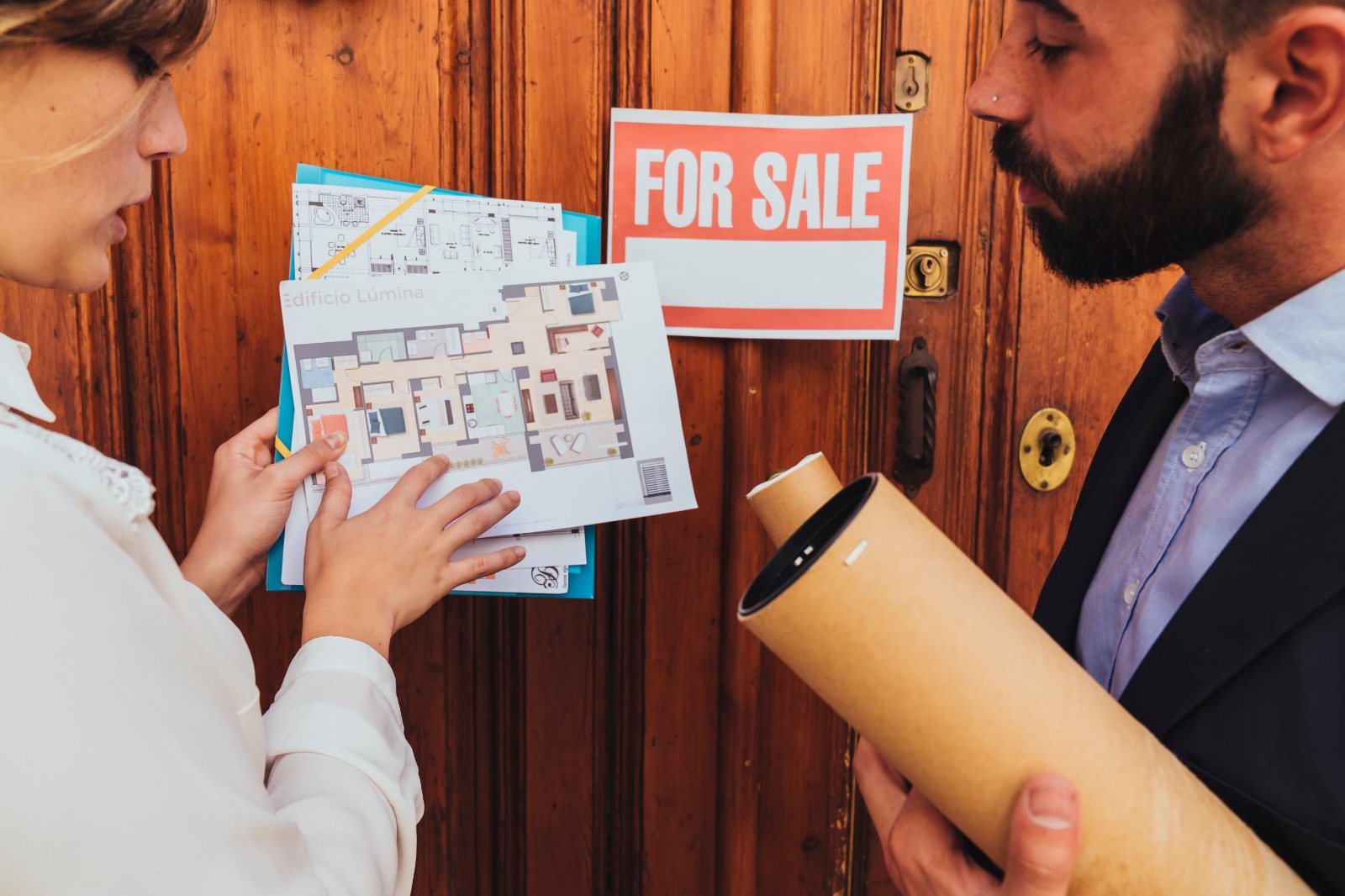
The first week on the market is critical. Buyer interest is usually highest right after a listing goes live, so aim to be fully prepared. Make your home easy to show, keep it clean, and be flexible with showing times if possible.
Pay attention to early feedback from buyers and agents. If you’re seeing lots of showings but no offers, your pricing or presentation may need a quick adjustment.
2–6 Weeks After Listing: Review and Adjust
Most well-priced homes receive serious interest within the first few weeks. If offers come in, review them carefully, considering not just price but terms, contingencies, and timelines.
If your home hasn’t gained traction after several weeks, it’s time for an honest review. Small changes like a price adjustment, refreshed photos, or minor staging tweaks can make a big difference.
Final Thoughts
A winning timeline gives you control during a process that can otherwise feel overwhelming. By planning ahead, pacing your prep work, and staying flexible once you’re listed, you put yourself in the best position for a successful sale. Selling your home isn’t just about when you list. It’s about how well you prepare for every step leading up to it.