
Landlord Blog
Education and news for smart DIY landlords!
Debunking Credit Myths for First-Time Homebuyers
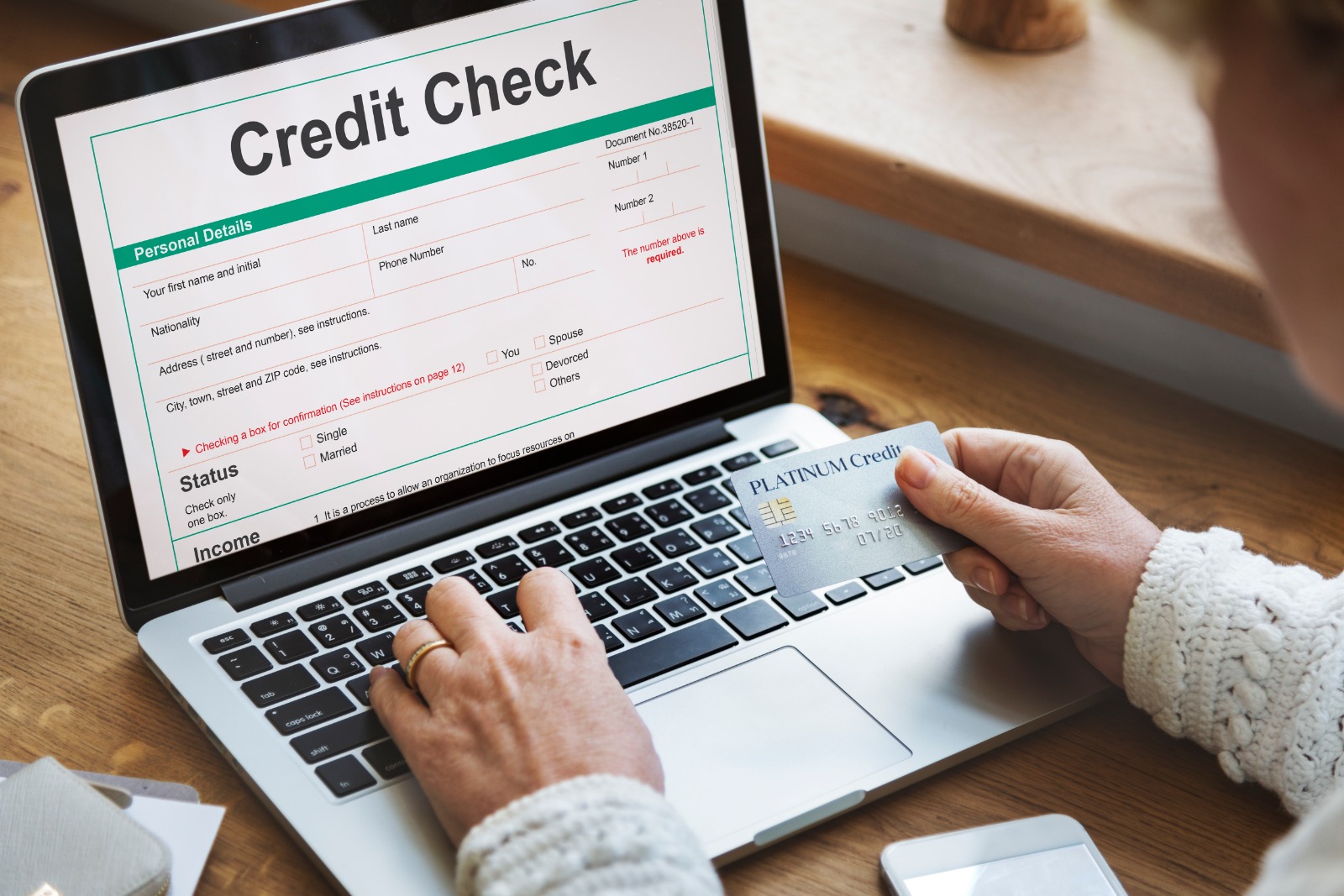
Buying your first home is exciting, but it can also feel intimidating, especially when credit scores enter the conversation. Advice from friends, social media, or outdated blogs often turns credit into something scarier than it really is. The truth is, many first-time homebuyers delay or abandon their plans because they believe credit myths that simply are not true. Let’s clear up some of the most common misunderstandings so you can move forward with confidence and facts.
Myth 1: You Need Perfect Credit to Buy a Home
One of the biggest myths is that you need a flawless credit score to qualify for a mortgage. In reality, many loan programs are designed specifically for first-time buyers and allow for less-than-perfect credit. FHA loans, for example, often accept lower credit scores than conventional loans. Lenders look at your overall financial picture, not just one number. A solid income, manageable debt, and consistent payment history can matter just as much.
Read more: Buying a Home with Less-Than-Perfect Credit: What’s Possible Right Now
Myth 2: Checking Your Credit Will Hurt Your Score
Many buyers avoid checking their credit because they are afraid it will lower their score. This is not true. When you check your own credit report, it is considered a “soft inquiry” and does not affect your score at all. In fact, reviewing your credit early is one of the smartest steps you can take. It gives you time to correct errors, pay down balances, and improve your profile before applying for a loan.
Myth 3: You Must Pay Off All Debt Before Buying
While having less debt is helpful, you do not need to be completely debt-free to buy a home. Lenders focus on your debt-to-income ratio, which compares your monthly debt payments to your income. If your debts are reasonable and you can comfortably handle a mortgage payment, you may still qualify. Paying off high-interest or revolving debt can help, but wiping out every balance is not always necessary or realistic.
Myth 4: Closing Old Accounts Improves Your Credit
It might seem logical to close old or unused credit accounts before applying for a mortgage, but this can actually hurt your score. Older accounts help establish a longer credit history, which lenders like to see. Closing them can shorten your credit age and increase your credit utilization ratio. In many cases, keeping those accounts open and unused is the better move.
Myth 5: One Mistake Ruins Your Chances
Late payments or past financial mistakes can feel like permanent roadblocks, but they are not the end of the road. Credit scores are built over time, and recent positive behavior carries a lot of weight. Making consistent, on-time payments and avoiding new debt can steadily improve your score. Many lenders are willing to work with buyers who show progress and financial stability.
Final Thoughts
Credit does matter when buying a home, but it is not the impossible hurdle many first-time buyers fear. Understanding the facts can replace anxiety with clarity and help you make smarter decisions. By separating myth from reality, you give yourself permission to explore your options, ask the right questions, and take meaningful steps toward homeownership. Knowledge is not just power here. It is peace of mind as you move closer to buying your first home.