
Landlord Blog
Education and news for smart DIY landlords!
Mortgage Tips Every First-Time Homebuyer Should Know
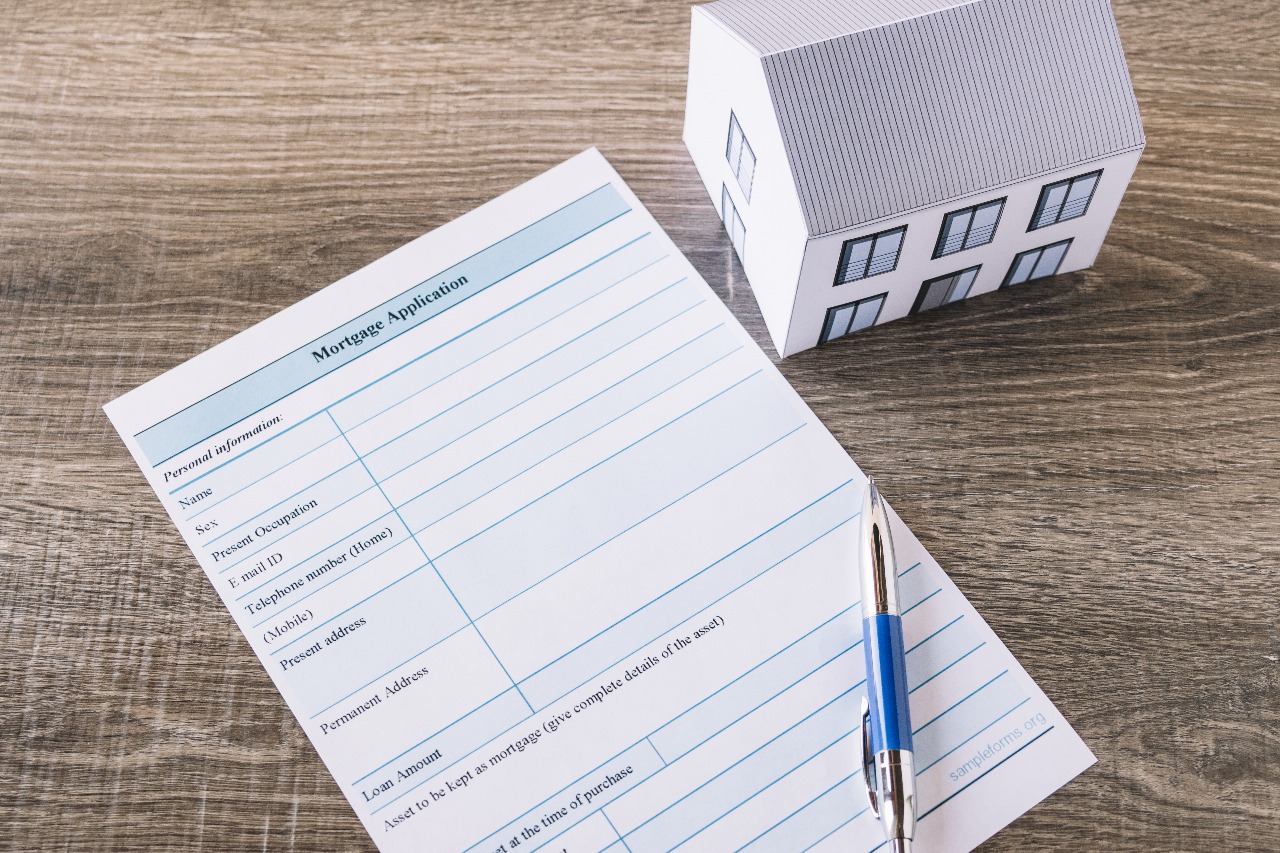
Buying your first home is exciting, but figuring out the mortgage side of things can feel like learning a new language. The good news? A little prep goes a long way. Understanding how mortgages work—and what lenders look for—can make the whole process smoother, less stressful, and ultimately more affordable. Here are key tips every first-time buyer should keep in mind.
Know Your Numbers Before You Start Shopping
Before you fall in love with a house, take a good look at your finances. Check your credit score, review your income and expenses, and calculate how much you can realistically set aside for a down payment. Lenders use these numbers to decide how much they’ll offer you, so having a clear picture early on helps avoid surprises.
Get Preapproved, Not Just Prequalified
Prequalification is a quick estimate. Preapproval is the real deal. It means a lender has reviewed your documents and given you a verified budget. Sellers tend to take preapproved buyers more seriously because it shows you’re financially ready and able to close.
Read more: What Is a Mortgage Preapproval?
Understand the Different Loan Types
Conventional, FHA, VA, USDA—mortgage options aren’t one-size-fits-all. Each has its own requirements, benefits, and quirks. Take the time to compare them. Some offer lower down payments, while others come with more flexible credit standards. Choosing the right loan can save you thousands over the life of the mortgage.
Don’t Forget About the Extras
Your monthly mortgage payment is only part of the picture. Property taxes, homeowners insurance, PMI (private mortgage insurance), and HOA fees can add up fast. Make sure you factor in these extras when budgeting so you don’t stretch yourself too thin.
Read more: The Hidden Costs of Homeownership: What Buyers Often Overlook
Shop Around for the Best Rate
It’s easy to go with the first lender you find, but rates and fees can vary more than you think. Collect quotes from at least three lenders. A slightly lower interest rate or reduced closing costs can make a noticeable difference in your monthly payment.
Keep Your Finances Steady During the Process
Once you apply for a mortgage, avoid doing anything that could shake your financial profile. Don’t open new credit cards, take out loans, or make major purchases. Even small changes can affect your approval or interest rate.
Plan for More Than the Down Payment
Closing costs typically range from 2% to 5% of the loan amount. First-time buyers often forget to budget for them. Some lenders offer credits or incentives to help offset these costs, but it’s smart to be prepared.
Ask Questions—Lots of Them

Mortgages are full of unfamiliar terms and fine print. Don’t hesitate to ask your lender to explain anything that feels fuzzy. You’re signing on for a long-term commitment, and you deserve to fully understand every step.
Final Thoughts
Your first mortgage doesn’t have to be overwhelming. When you know what to expect and take time to prepare, you set yourself up for a smoother journey and better long-term financial stability. A little homework now can help you land the home you love with confidence and clarity.