
Landlord Blog
Education and news for smart DIY landlords!
A First-Time Homebuyer’s Guide to Important Property Documents

Buying your first home is an exciting milestone, but it also involves paperwork that can feel overwhelming. From mortgage documents to property disclosures, each document plays an important role in protecting your investment and helping you understand your responsibilities as a homeowner. For first-time homebuyers in California, knowing which documents to review can make the purchasing process smoother and help prevent unexpected problems. Here's a guide to the essential property documents you should understand before closing on your new home.
1. Purchase Agreement
The purchase agreement is one of the most important documents in a real estate transaction. It outlines the terms agreed upon by the buyer and seller. This legally binding contract typically includes the purchase price, earnest money deposit, financing terms, contingencies, and closing date.
Before signing, carefully review deadlines and conditions related to financing, inspections, and other contingencies. These provisions can affect your ability to cancel the transaction and recover your deposit.
2. Seller's Property Disclosures
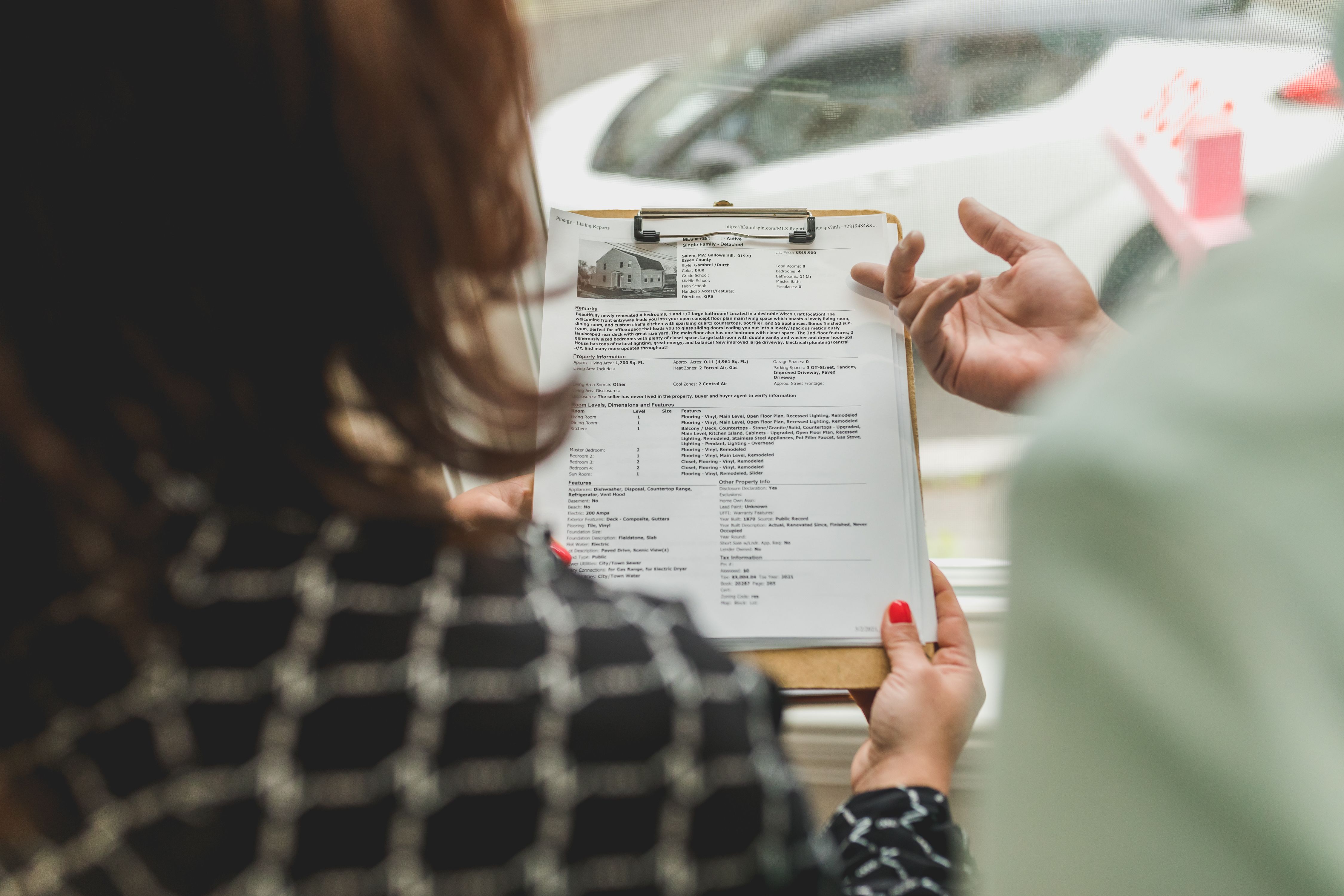
In California, sellers of most residential properties containing one to four units must provide a Transfer Disclosure Statement (TDS), unless an exemption applies. This document identifies known property conditions, including certain defects, repairs, and other issues that may affect the home's value or desirability.
Buyers may also receive a Natural Hazard Disclosure (NHD) report identifying whether the property is located in designated hazard areas, such as flood, wildfire, or earthquake fault zones. Review these disclosures carefully and ask questions about anything unclear.
3. Home Inspection Report
A professional home inspection can help identify potential problems involving the property's roof, plumbing, electrical systems, foundation, and other components. Although a home inspection is generally optional, it is highly recommended for first-time buyers.
The inspection report can help you understand the home's condition, estimate possible repair expenses, and determine whether additional specialist evaluations are necessary.
Remember that an inspection does not guarantee every problem will be discovered.
4. Mortgage and Loan Documents
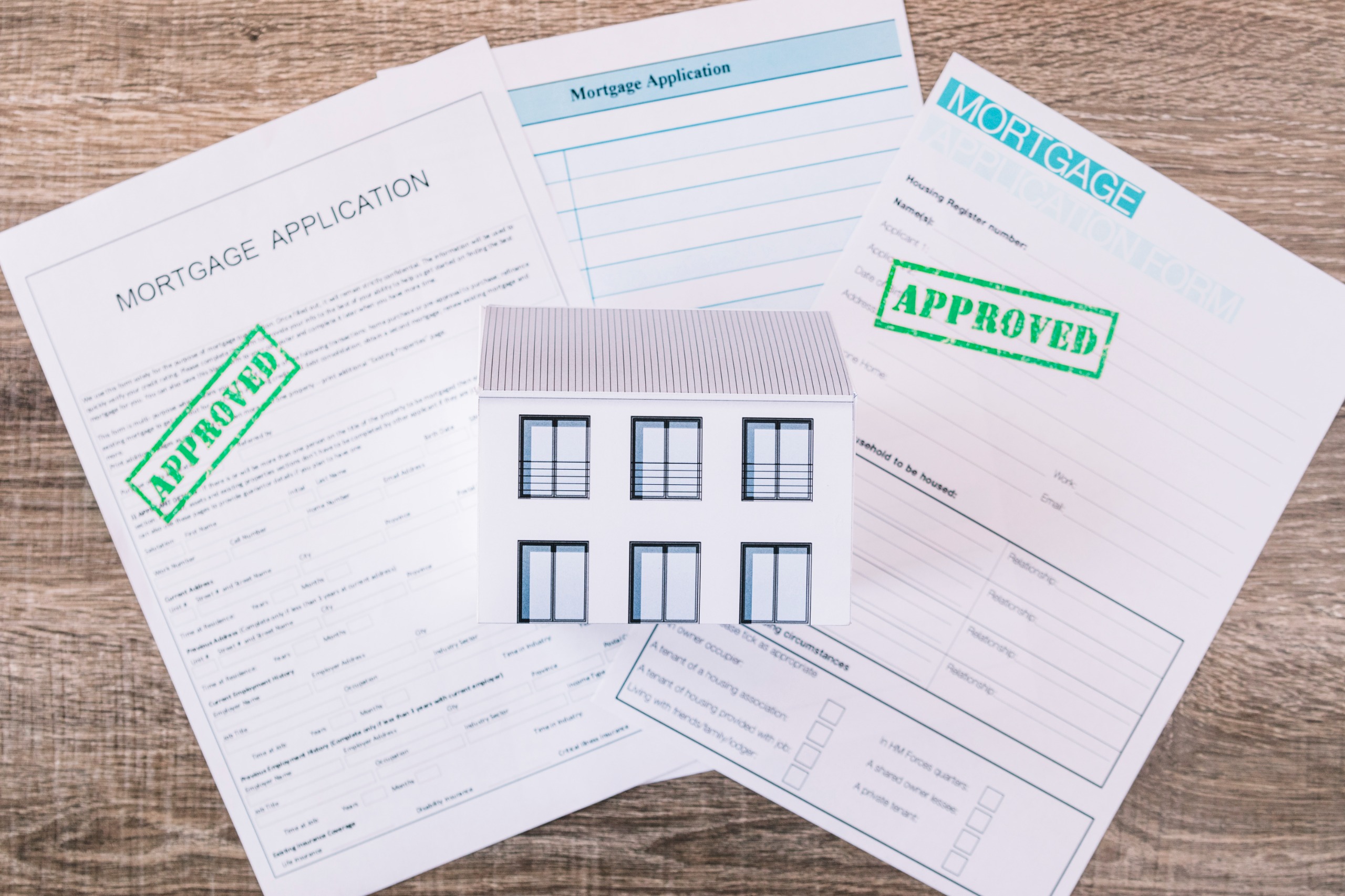
If you're financing your home purchase, you'll receive several important lending documents. The Loan Estimate outlines projected mortgage terms, interest rates, monthly payments, and closing costs.
Before closing, your lender generally provides a Closing Disclosure detailing the final loan terms and transaction expenses. Compare these documents carefully and ask your lender to explain unexpected changes before signing.
5. Preliminary Title Report
A preliminary title report provides information about the property's ownership history and recorded matters affecting the title. It may identify liens, easements, restrictions, or other issues that could affect your ownership rights.
Reviewing this report with your title or escrow professional can help you understand potential complications before completing the purchase. Title insurance may also provide protection against certain covered ownership-related claims.
6. HOA Documents and Property Tax Information
If you're purchasing a home within a homeowners association (HOA), review its governing documents, financial information, fees, and community rules. These materials can reveal restrictions on renovations, parking, rentals, and property use.
You should also review property tax estimates and consider potential supplemental property taxes after purchasing a California home.
Final Thoughts
Understanding property documents is an essential part of becoming a confident first-time homebuyer. Take time to read every agreement, verify important details, and consult qualified professionals when necessary. A successful home purchase isn't just about finding the right property. It's also about understanding exactly what you're buying, what you're agreeing to, and how to protect your investment.