
Landlord Blog
Education and news for smart DIY landlords!
Why 2026 Could Be a Smart Year to Buy a Home
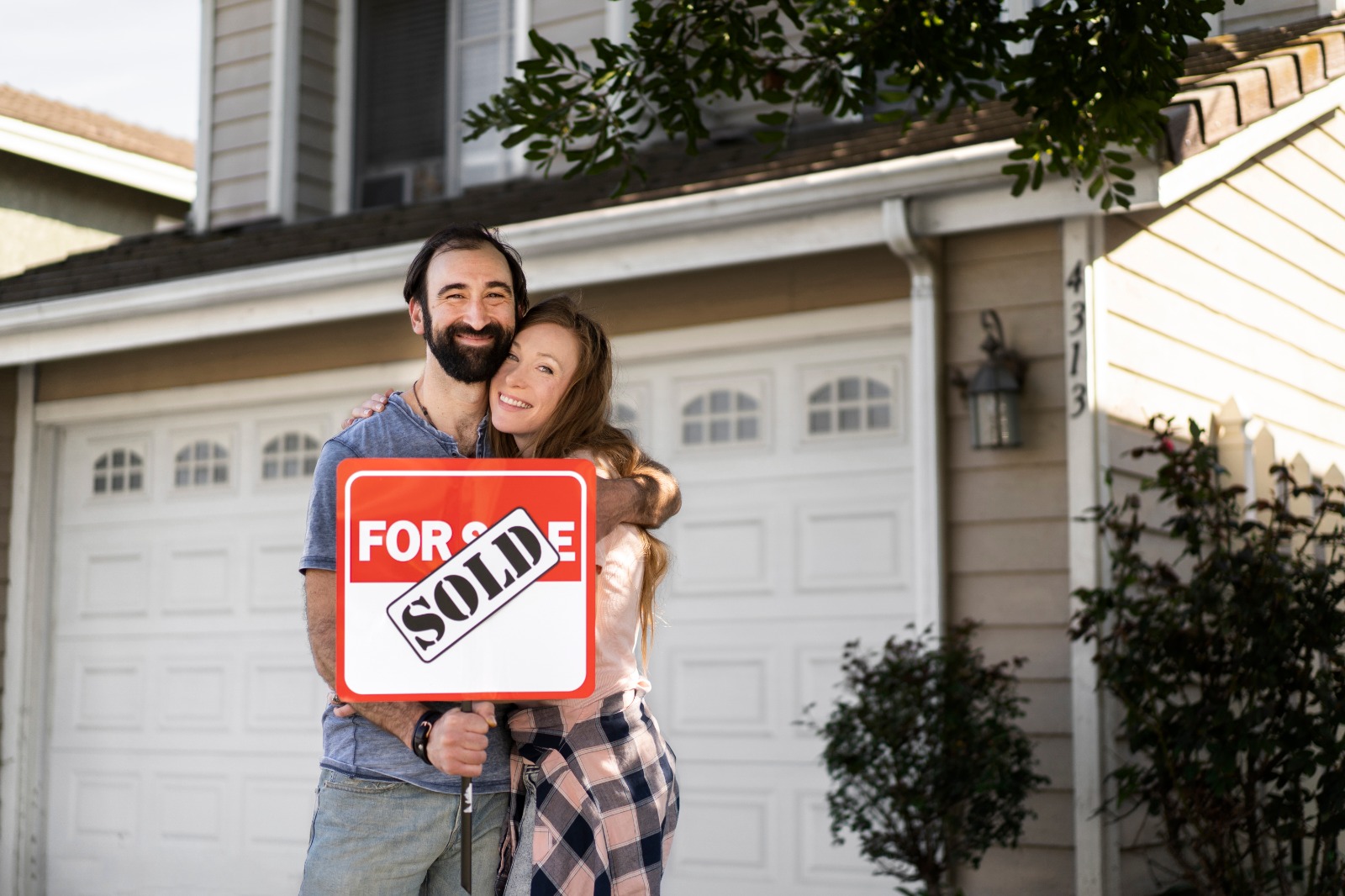
If you’ve been on the fence about buying a home, 2026 might be the year to take the plunge. The housing market has been in flux for a few years, with interest rates climbing and inventory tightening in many regions. But as we move deeper into 2026, a confluence of economic shifts, buyer-friendly trends, and lifestyle priorities is shaping a window of opportunity that could benefit prospective homeowners.
A More Stabilized Interest Rate Environment
One of the biggest factors influencing homebuying decisions is mortgage interest rates. Over the past few years, rates climbed sharply, squeezing affordability for many buyers. But heading into 2026, there are signs that rates are stabilizing or even trending slightly downward in some markets. A more predictable interest rate environment allows buyers to plan with confidence, lock in manageable monthly payments, and avoid the anxiety that comes with volatile markets.
Lower or stabilized rates also expand your purchasing power. Even a modest reduction in interest can significantly decrease the lifetime cost of a mortgage and improve your monthly cash flow. For many buyers, particularly first-timers, this shift makes homeownership more accessible and financially sound.
Read more: The Impact of Interest Rates on Your Home-Buying Decision
Increasing Inventory and More Choices

Inventory has been a pain point for buyers for years. Limited supply pushed prices higher and created bidding wars in many areas. But in 2026, there are early signs that housing supply may be loosening. Builders are completing more units, and some homeowners who delayed selling during uncertain times are listing their properties now.
More inventory means more choices for buyers. You’re less likely to feel rushed into making a hasty decision or tempted to overbid just to compete. In a market with healthier supply, you can take your time evaluating neighborhoods, comparing features, and aligning your purchase with your long-term goals.
Discover: Real Estate: Managing Home-Buying Anxiety in 2026
Shifting Demographics and Renewed Demand
The generational wave of homebuyers—millennials moving into their prime homebuying years—continues to fuel demand. But the pressure may be easing slightly in 2026 as demand becomes more in balance with supply. That doesn’t mean homes will be cheap, but it does suggest less frantic competition in many regions.
At the same time, lifestyle changes brought on by remote and hybrid work patterns are still influencing where and how people buy homes. Many buyers are prioritizing space, outdoor areas, and proximity to family or amenities. This shift supports diverse markets beyond urban cores, giving buyers more flexibility in choosing a location that fits their lifestyle.
Read more: How to Find a Home That Fits Your Life, Not Your Wishlist
Economic Factors at Play
Macro-economic conditions also play a role. While inflation remains a concern, wage growth in many sectors is keeping pace with or exceeding price increases in key markets. That helps keep homebuying within reach for many households.
Additionally, personal savings rates increased for a portion of buyers during the pandemic years. Buyers with stronger down payments can benefit from lower monthly costs and reduced mortgage insurance, improving affordability and financial resilience.
Why Timing Matters

Timing the housing market perfectly is impossible. Prices will always fluctuate based on a variety of forces. But 2026 offers a relatively rare combination: stabilizing rates, growing inventory, evolving buyer preferences, and greater financial preparedness among consumers.
For many prospective buyers, this alignment means less competition, more options, and better financial footing. Whether you’re a first-time buyer or looking to move up, it could be time to act.
Bottom Line
Buying a home is a major decision, and the right timing varies for every individual. But the trends unfolding in 2026 suggest a more favorable environment than in recent years. With more stability in rates, rising inventory, and evolving buyer dynamics, 2026 could be a smart year to step into homeownership with confidence.