
Landlord Blog
Education and news for smart DIY landlords!
The Wellness Benefits of a Minimalist Home

A minimalist home is not about empty rooms or strict design rules. At its core, minimalism is about intention. It focuses on keeping what supports your life and letting go of what does not. When applied thoughtfully, this approach to living spaces can have a powerful impact on mental, emotional, and even physical well-being.
Reduced Mental Clutter
Visual clutter competes for attention, even when we are not consciously aware of it. Overfilled shelves, crowded countertops, and excess décor can create constant background noise for the brain. A minimalist home reduces that stimulation.
With fewer items in sight, the mind has less to process. This often leads to improved focus, lower anxiety, and a greater sense of calm. Many people find they can think more clearly and feel more grounded in spaces that are visually simple.
Discover: How to Declutter Your House in One Day
Easier Daily Routines
Minimalist homes support smoother routines because there is less to manage. Cleaning takes less time. Finding what you need becomes easier. Decision-making fatigue decreases when closets, kitchens, and storage areas are streamlined.
This simplicity reduces daily stress in subtle but meaningful ways. Instead of constantly organizing, searching, or maintaining excess belongings, energy can be directed toward work, relationships, rest, or creativity.
Improved Sleep and Rest
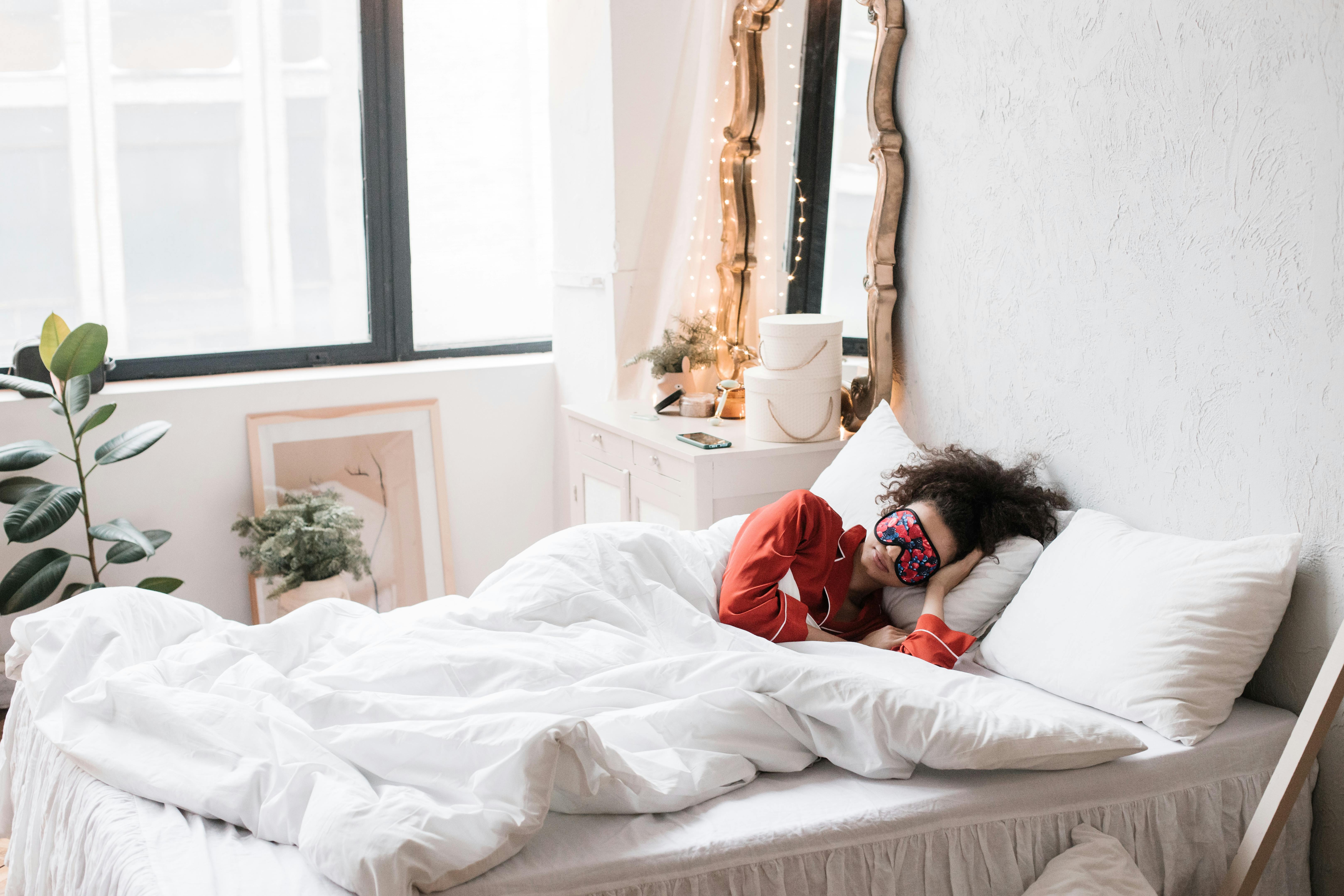
Bedrooms benefit greatly from a minimalist approach. Fewer distractions, softer visual elements, and intentional furniture placement help signal to the body that it is time to rest.
Minimalist bedrooms often promote better sleep by limiting electronics, excess furniture, and visual chaos. A calm sleeping environment supports deeper rest, which directly impacts mood, immune health, and overall resilience.
Emotional Clarity and Control
Living with less can create a sense of emotional lightness. When possessions are intentional rather than excessive, they tend to carry positive associations instead of guilt or overwhelm.
Minimalism also gives a sense of control over one’s environment. In a world filled with constant demands, having a home that feels ordered and predictable can be deeply grounding. This sense of control supports emotional stability and reduces feelings of being overwhelmed.
Healthier Physical Spaces
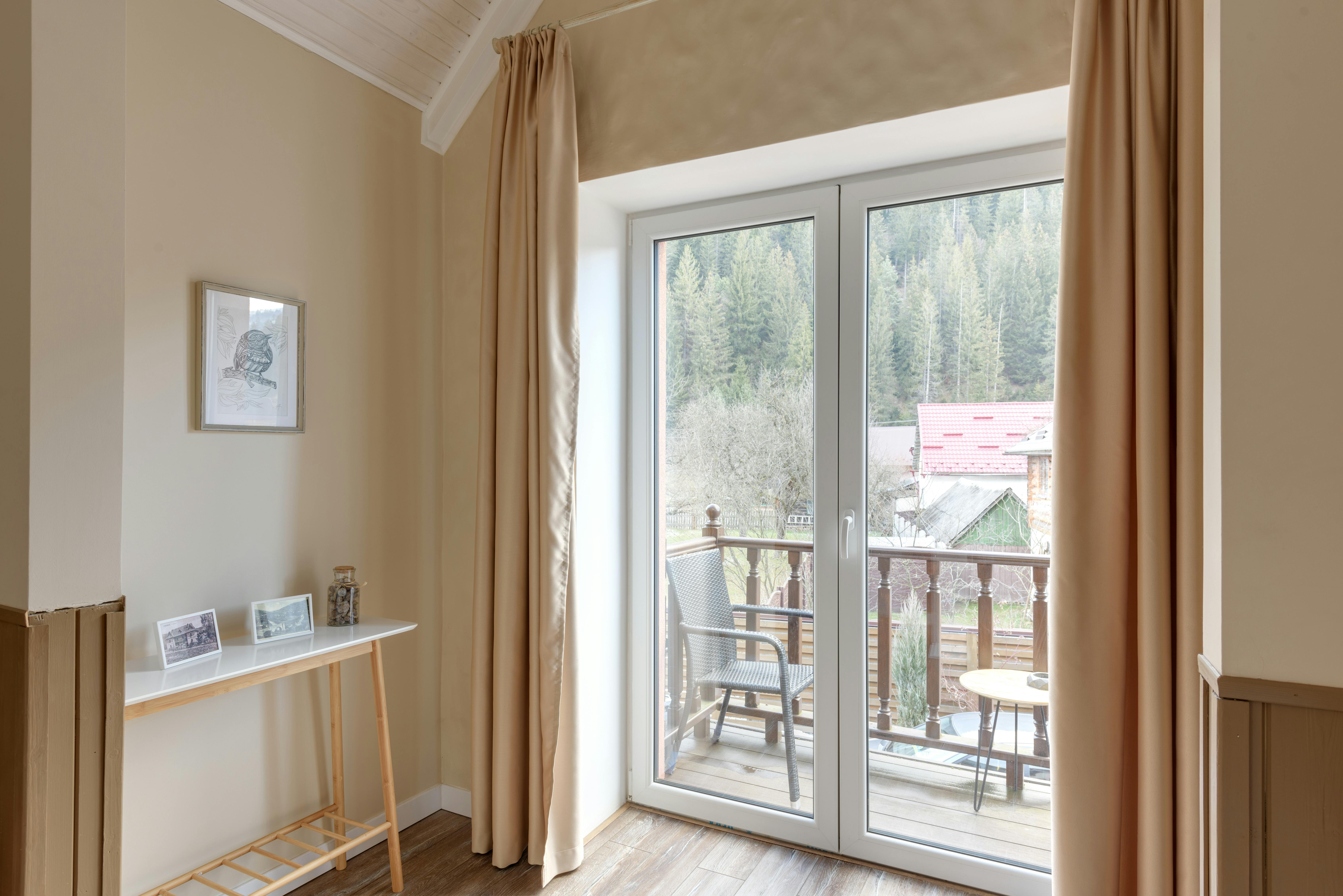
A minimalist home often leads to better air quality and cleanliness. Fewer objects mean fewer surfaces for dust and allergens to collect. Natural light flows more freely, and rooms feel more open and breathable.
Many minimalist spaces also emphasize quality over quantity. Choosing durable, non-toxic materials and well-made furniture can support physical health while reducing long-term waste.
Stronger Connection to What Matters
Minimalism encourages intentional living. When a home is not filled with excess items, what remains tends to reflect personal values, meaningful experiences, and genuine needs.
This creates space for activities that support wellness, such as movement, reflection, shared meals, and quality time. The home becomes a place that supports life rather than competes with it.
Read more: How to Find a Home That Fits Your Life, Not Your Wishlist
Final Thoughts
A minimalist home is not about perfection or deprivation. It is about creating an environment that supports well-being instead of adding stress. By reducing clutter, simplifying routines, and focusing on what truly matters, minimalism helps transform a house into a space that feels calm, restorative, and aligned with a healthier way of living.