
Landlord Blog
Education and news for smart DIY landlords!
The Opportunity Cost of Waiting to Buy a Home

Buying a home is one of the biggest financial decisions many people make, so it is natural to spend time weighing the options. While being financially prepared is important, waiting too long to purchase a home can also come with hidden costs. These costs are often referred to as the opportunity cost of waiting. Opportunity cost is the value of what you give up when choosing one option over another. In real estate, delaying a home purchase may mean missing out on equity growth, favorable interest rates, or rising property values. Understanding these trade-offs can help buyers make more informed decisions instead of focusing only on the risks of buying.
Rising Home Prices Can Increase Future Costs
Real estate markets tend to fluctuate, but over the long term, home values in many areas have historically appreciated. If home prices rise while you wait, the same property may cost significantly more a year or two later. Even a modest annual increase in home prices can add thousands of dollars to the purchase price.
For example, a home priced at $400,000 today that increases by 5% over the next year would cost $420,000. That extra $20,000 could require a larger down payment and result in higher monthly mortgage payments. Waiting in hopes that prices will drop may not always lead to savings, especially if the market continues to appreciate.
Read more: Why Home Prices Keep Rising (or Falling)
Interest Rates Affect Long-Term Affordability
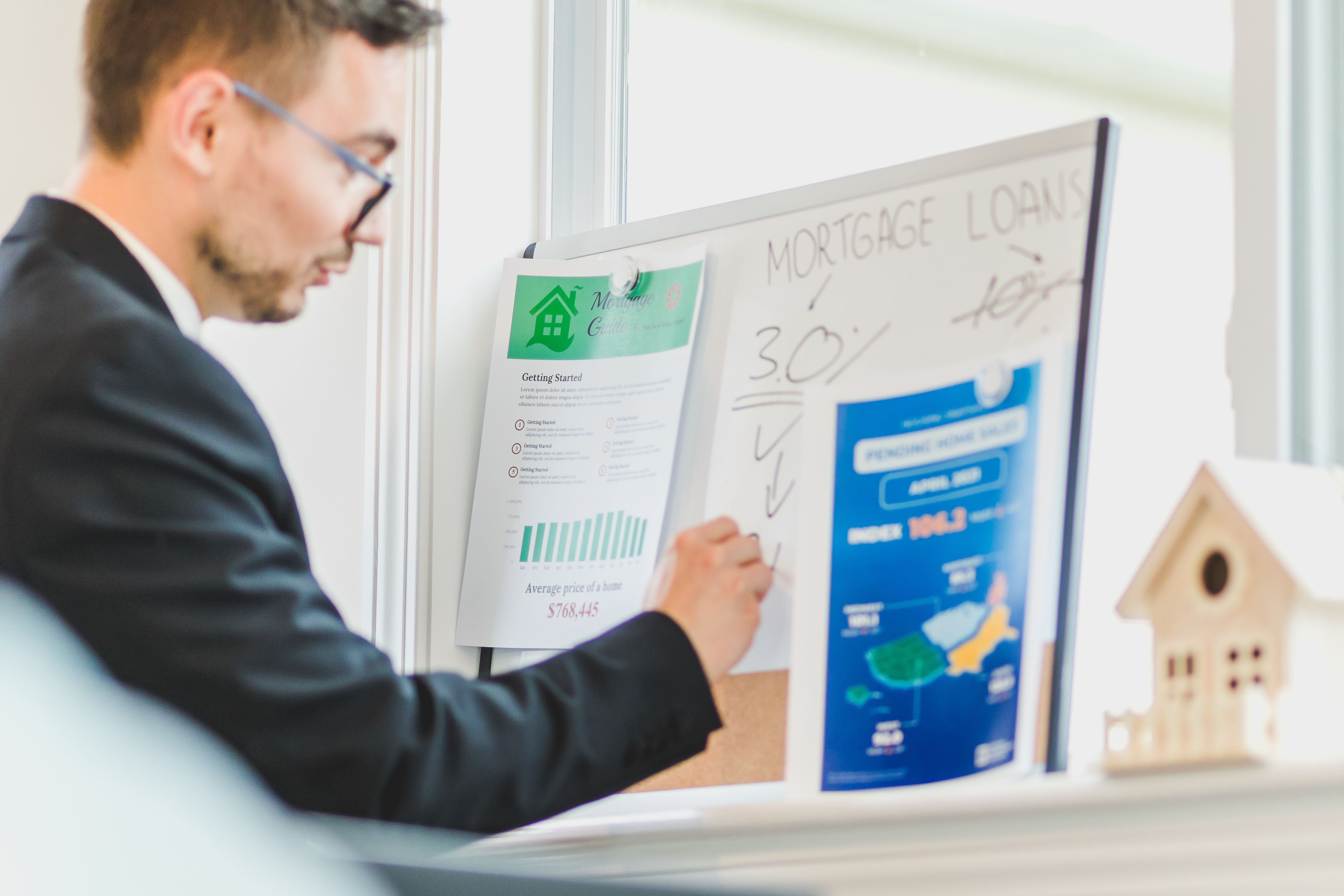
Mortgage interest rates play a major role in determining the total cost of homeownership. Even a small increase in rates can significantly raise monthly payments over the life of a loan.
A buyer who qualifies for a lower interest rate today may save tens of thousands of dollars compared to someone purchasing later at a higher rate. While no one can predict where rates will go, postponing a purchase introduces uncertainty that could reduce affordability if borrowing costs rise.
Missing the Opportunity to Build Equity
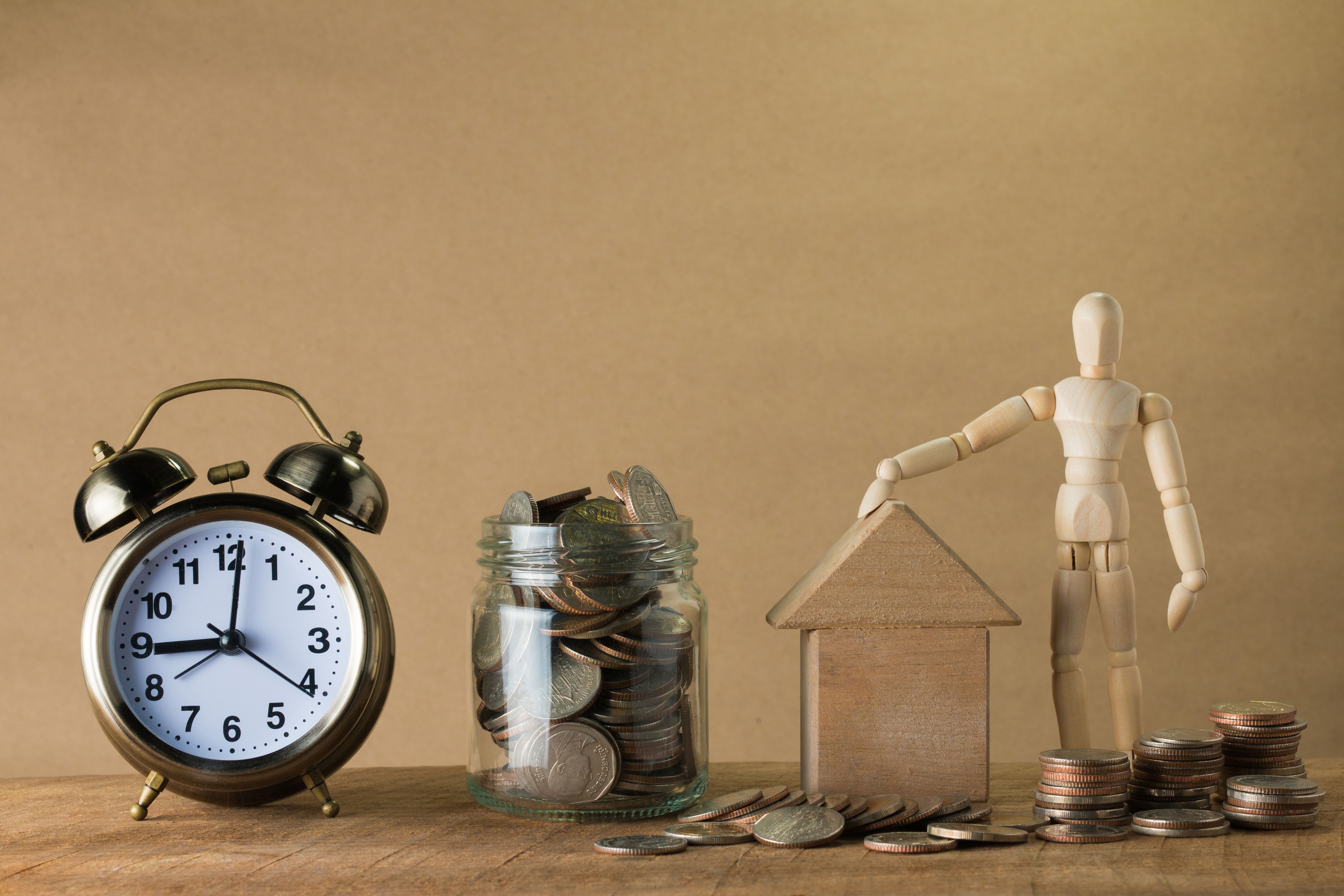
When you rent, monthly payments primarily benefit the property owner. When you own a home, a portion of each mortgage payment typically goes toward building equity, which represents your ownership stake in the property.
The sooner you begin paying down your mortgage, the sooner you begin building equity. Over time, equity can become a valuable financial asset that may support future goals, such as financing renovations, purchasing another property, or contributing toward retirement. Delaying homeownership also delays this wealth-building process, especially in markets where property values continue to increase.
Read more: What Does It Mean To Build Home Equity and Why Is It Important?
Inflation Can Reduce Purchasing Power
Inflation affects nearly every aspect of the economy, including construction materials, labor costs, insurance premiums, and housing prices. As the overall cost of living rises, home prices often increase as well. At the same time, waiting may reduce what your current savings can buy. Although saving more money for a larger down payment is often a smart strategy, inflation can offset some of those gains if home prices rise faster than your savings.
Balancing savings goals with changing market conditions is an important part of making a home-buying decision.
Waiting Should Still Be a Thoughtful Decision
Opportunity cost does not mean everyone should rush into buying a home. Purchasing before you are financially ready can create unnecessary stress. Buyers should have stable income, manageable debt, an emergency fund, and confidence that they can comfortably afford homeownership.
The key is to distinguish between waiting for good financial reasons and delaying solely because of uncertainty or trying to perfectly time the market. Since market conditions are difficult to predict consistently, waiting for the "perfect" moment may result in missed opportunities.
Discover: Feeling Like Homeownership Is Unreachable? Here’s Where to Start
Final Thoughts
The opportunity cost of waiting to buy a home extends beyond the purchase price. Rising home values, changing mortgage rates, delayed equity growth, and inflation can all increase the long-term cost of homeownership. While careful planning remains essential, understanding these hidden costs can help buyers evaluate whether waiting truly serves their financial goals. Rather than trying to predict every market movement, focus on your financial readiness, long-term plans, and the affordability of a home that fits your budget. Making a well-informed decision today may provide greater financial benefits than waiting for a future that may be more expensive.