
Landlord Blog
Education and news for smart DIY landlords!
The Best House Layouts for Stress-Free Living
Home should feel like a place where your shoulders drop the moment you walk in. But the way a house is laid out has a bigger impact on stress than most people realize. A thoughtful layout can support calm routines, reduce daily friction, and make life feel easier instead of chaotic. Whether you are building, buying, or rethinking your current space, certain layouts consistently promote a more relaxed way of living.
Open but Defined Living Areas
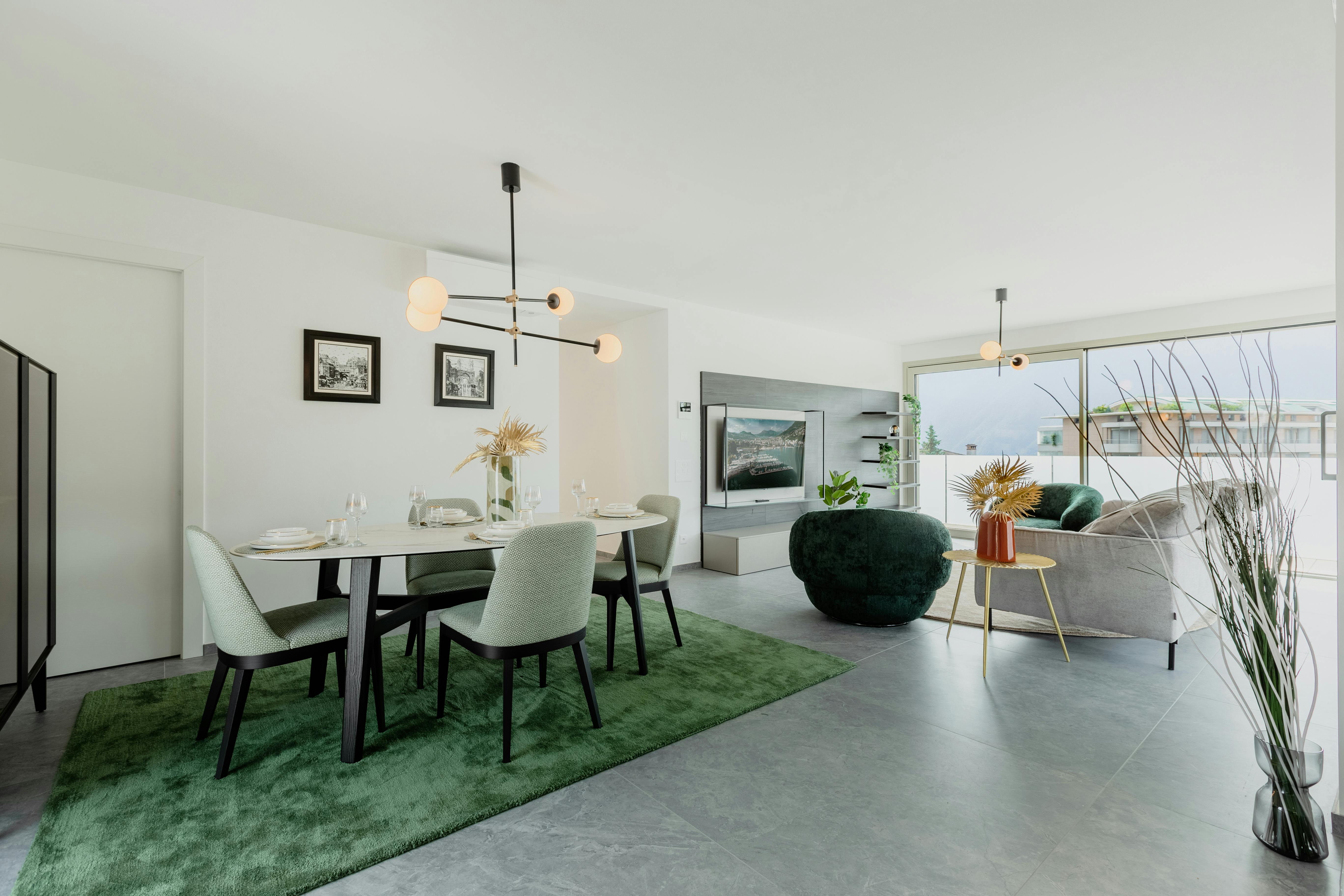
Open floor plans are popular for a reason. They allow natural light to flow, improve sightlines, and make homes feel larger and more connected. For stress-free living, the key is balance. Completely open spaces can feel noisy and overwhelming, especially for families or people working from home.
The best layouts create visual openness while still defining zones. A kitchen that opens to the living area but includes an island or partial wall helps separate activity without closing things off. This allows connection without constant distraction.
Private Bedrooms Away From High-Traffic Areas
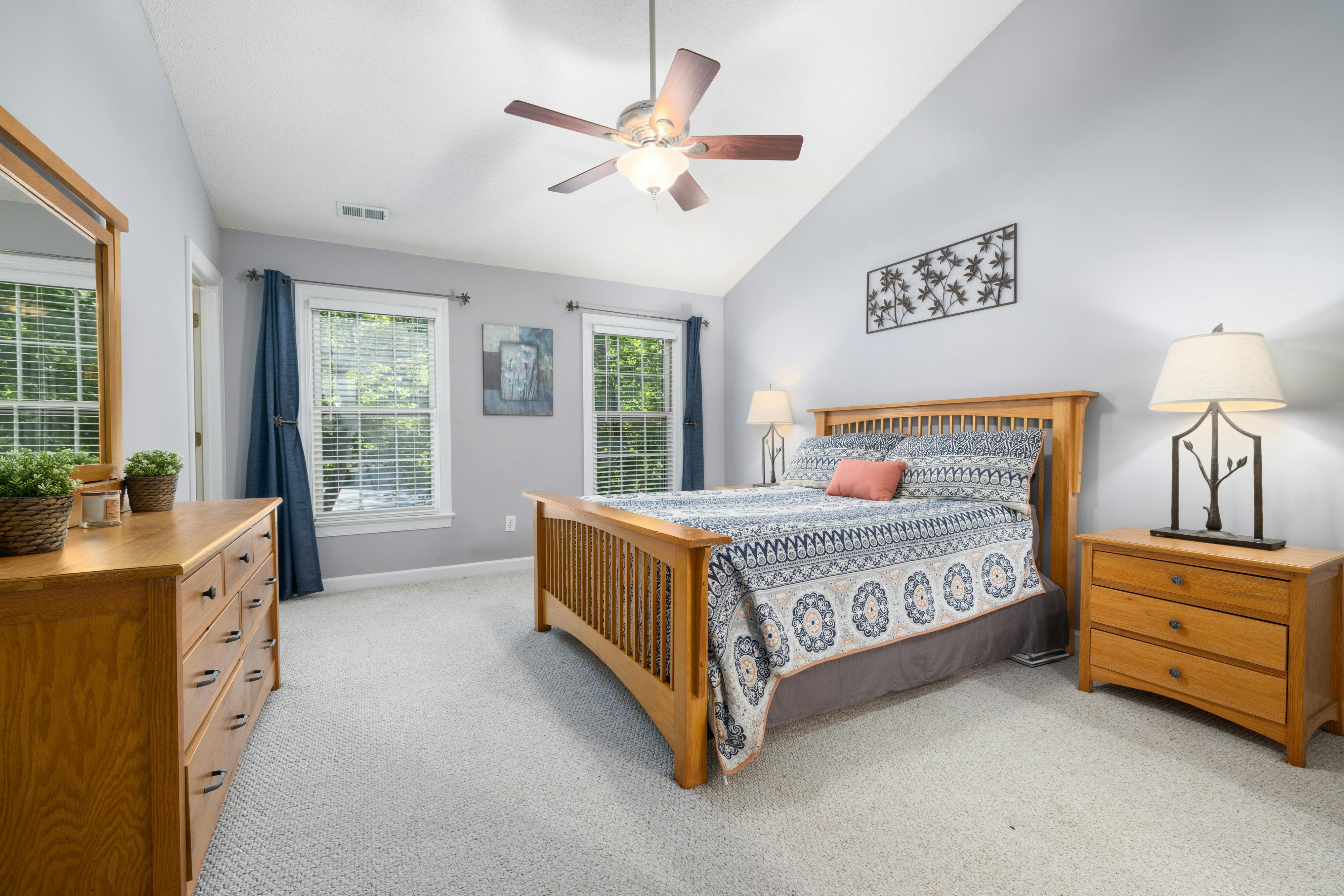
Bedrooms should feel like retreats, not extensions of the living room. Layouts that place bedrooms away from entryways, kitchens, or main living spaces tend to support better rest and lower stress levels.
Primary suites located on a separate side of the house or on a different floor create a sense of privacy and calm. For families, clustering secondary bedrooms together while keeping them away from noise-heavy areas can help everyone sleep better and feel more settled.
Read more: Bedroom Interior Design Tips You Should Know
Functional Flow Between Daily-Use Spaces
Stress often comes from small, repeated frustrations. A well-designed layout minimizes those moments. Think about how spaces connect during everyday routines. A kitchen near the garage makes grocery unloading easier. A laundry room close to bedrooms saves time and steps. Bathrooms located conveniently for guests prevent awkward interruptions.
When rooms are placed with purpose, daily tasks feel smoother and less mentally draining.
Dedicated Quiet Spaces
Even in smaller homes, having a designated quiet area makes a difference. This could be a small office, a reading nook, or a flex room that serves as a calm zone. Layouts that include at least one low-traffic space give residents a place to decompress, focus, or simply breathe.
This is especially important for households with multiple people or varying schedules. A quiet space helps reduce sensory overload and supports emotional balance.
Indoor-Outdoor Connection
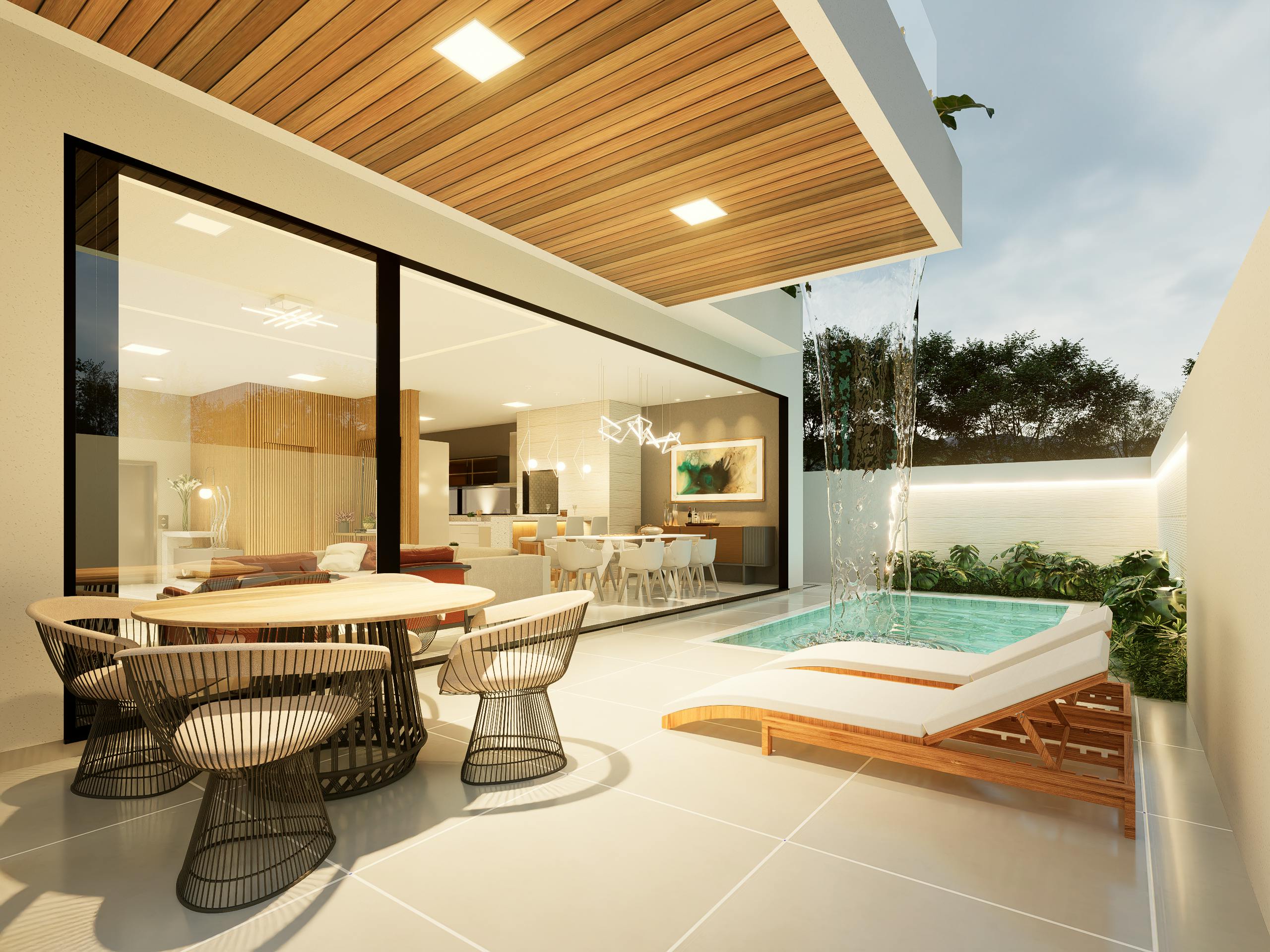
Homes that connect seamlessly to outdoor areas often feel more relaxing. Layouts with sliding doors, patios off living spaces, or courtyards allow fresh air and natural light to become part of everyday life.
Even a modest outdoor connection can improve mood and create a sense of openness. It also offers an easy mental reset during stressful days.
Smart Storage Placement
Clutter increases stress, but layout can either fight or fuel it. Homes with storage built into high-use areas are easier to keep organized. Entryway closets, kitchen pantries, and hallway storage reduce visual mess and decision fatigue.
A layout that anticipates storage needs helps maintain calm without constant effort.
Discover: Keep Your Home Organized This Year With These 5 Habits
Final Thoughts
Stress-free living is not about having more space. It is about having the right space, arranged in a way that supports how you actually live. The best house layouts reduce unnecessary friction, protect rest and privacy, and make everyday routines feel intuitive. When a home flows well, it quietly supports your well-being, turning daily life into something that feels lighter, calmer, and more manageable.