
Landlord Blog
Education and news for smart DIY landlords!
Is Buying a Second Home in 2026 a Smart Investment?
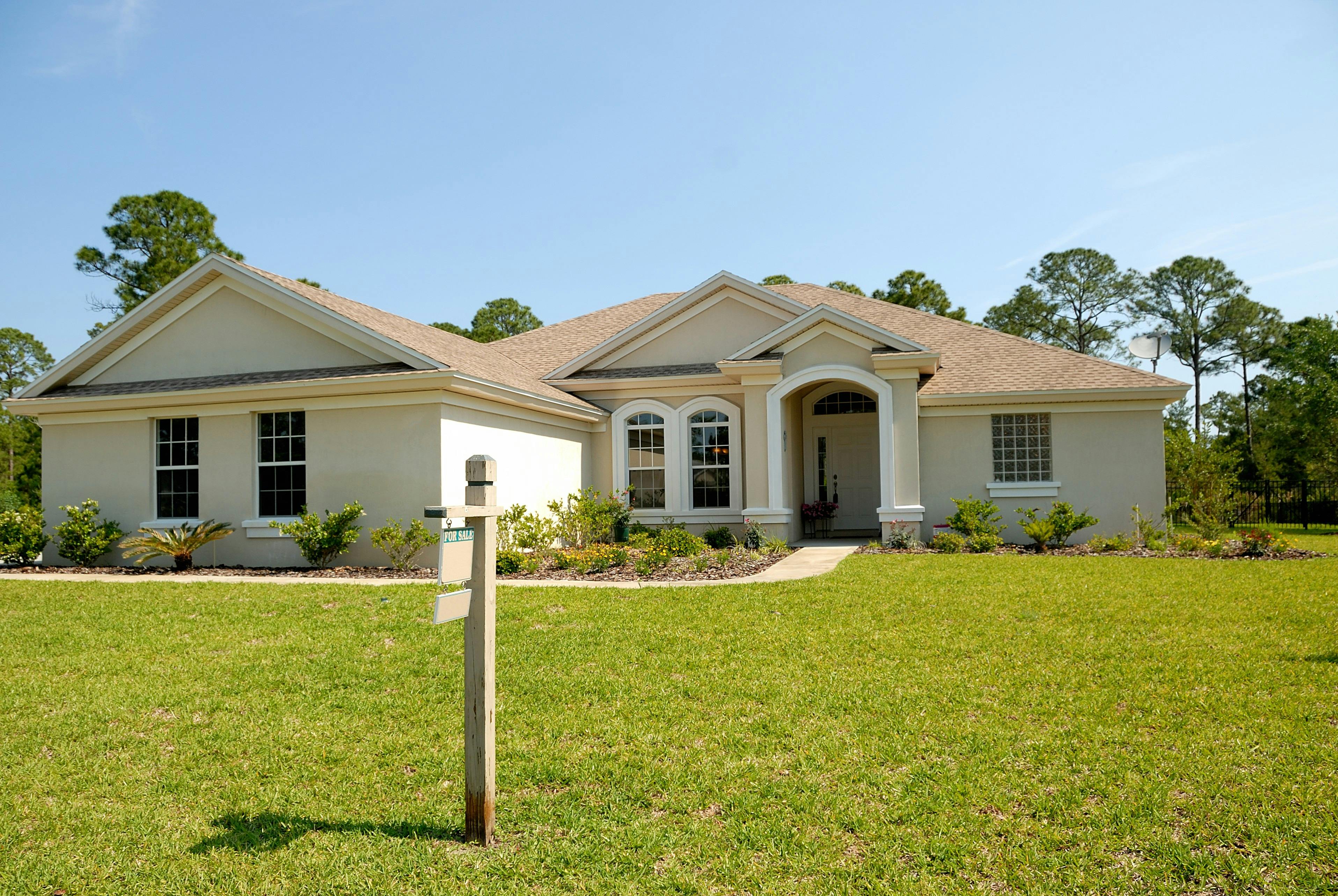
The idea of owning a second home is appealing. It can mean weekend escapes, a future retirement spot, or an additional stream of income. But in 2026, with shifting interest rates, evolving travel trends, and a more cautious real estate market, the decision deserves a closer look. Whether it’s a smart investment depends on your goals, timing, and financial position.
The 2026 Real Estate Landscape
After the intense price growth seen in the early 2020s, many housing markets have cooled into a more balanced phase. In some areas, prices are still climbing steadily. In others, they’ve stabilized or adjusted slightly downward. This shift can work in favor of buyers who felt priced out before.
Interest rates remain a major factor. Even if rates ease slightly in 2026, they are generally higher than the ultra-low levels seen during the pandemic era. That means financing a second home can be significantly more expensive. Monthly payments, down payment requirements, and stricter lending standards for non-primary residences all impact the overall return on investment.
If you’re planning to buy with a large down payment or in cash, you’re in a stronger position. If you’re heavily reliant on financing, it’s important to calculate not just the purchase price but the long-term cost of borrowing.
Lifestyle Purchase or Income Strategy?
One of the most important questions is simple: Why are you buying? If the second home is primarily for personal use, it’s more of a lifestyle decision than a pure investment. You’re paying for convenience, comfort, and experience. That’s perfectly valid, but it changes how you evaluate the numbers. The value comes from how often you’ll actually use it and whether it improves your quality of life.
If your goal is rental income, the math becomes more critical. Short-term rental markets remain strong in many tourist destinations, but competition has increased. Local regulations on short-term rentals are also tightening in certain cities, which can affect profitability. Long-term rentals can offer more stability, but returns may be lower depending on location.
You’ll need to account for maintenance, property taxes, insurance, utilities, vacancy periods, and potential management fees. Real estate can generate solid returns, but it’s rarely passive without some cost attached.
Read more: Can a Vacation Home Be a Smart Investment? Here’s What to Consider
Risk and Diversification
A second home is a concentrated investment. Real estate is relatively illiquid compared to stocks or bonds. If you suddenly need cash, selling property can take time and may require price flexibility.
It’s also worth looking at your overall financial picture. If most of your wealth is already tied to your primary residence, adding another property increases exposure to one asset class. Diversification often reduces risk over time, so consider whether your money could be working harder or more flexibly elsewhere.
The Long-Term View
Real estate tends to reward patience. If you plan to hold the property for many years, short-term market fluctuations matter less. Appreciation, rental income, and inflation protection can add up over time. But if you’re hoping for a quick resale profit, 2026 may not offer the same rapid gains seen in previous boom years.
Final Thoughts
Buying a second home in 2026 can absolutely be a smart investment, but only if it aligns with your financial capacity and long-term goals. Run realistic projections. Stress-test your budget against higher rates or temporary vacancies. Think about how it fits into your broader portfolio. At the end of the day, the smartest investment is one you can sustain comfortably. If a second home strengthens both your finances and your lifestyle without creating strain, it may be a move worth making.