
Landlord Blog
Education and news for smart DIY landlords!
How to Evaluate a Neighborhood’s Parks and Green Spaces
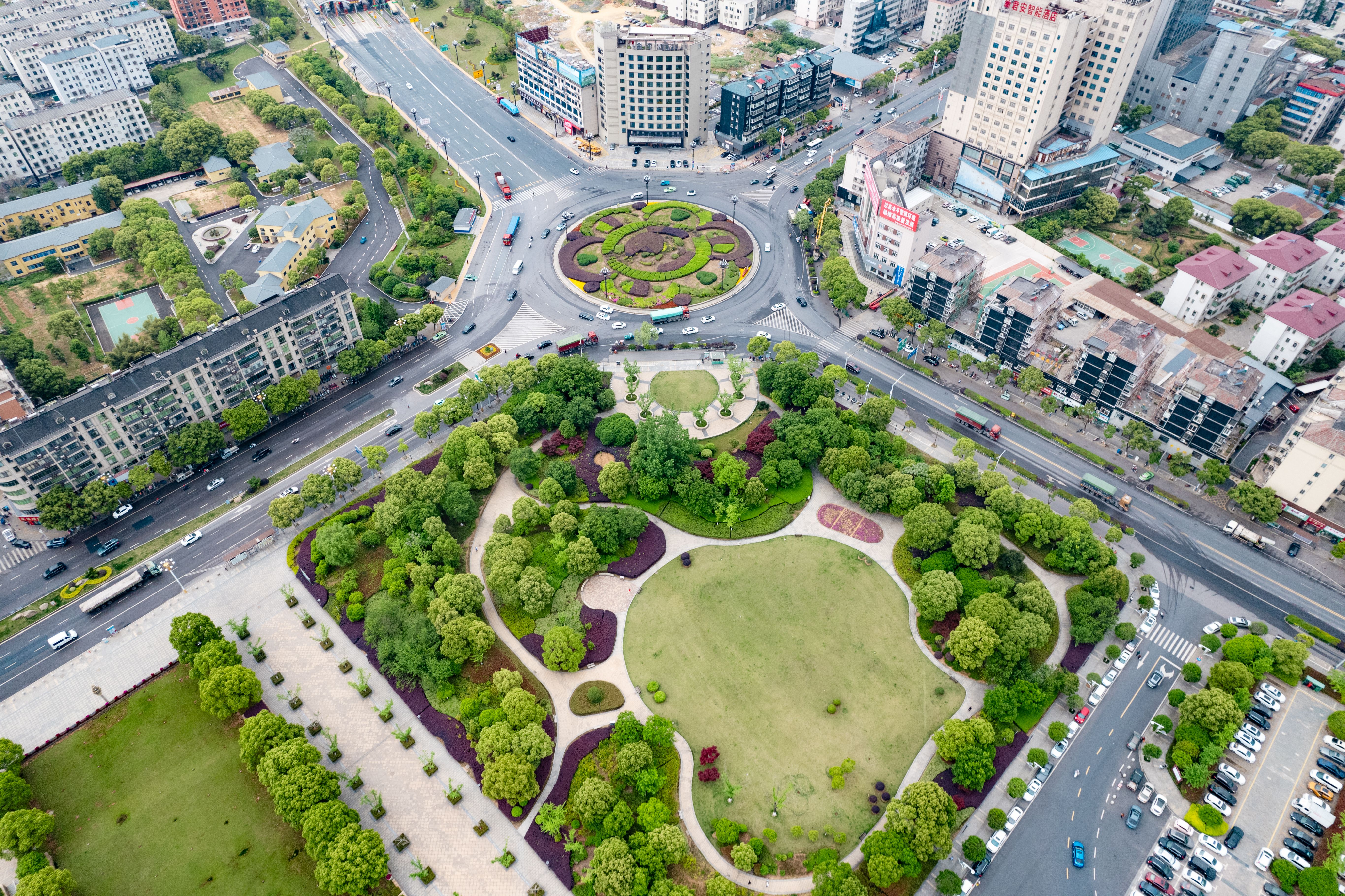
Parks and green spaces can have a major impact on what it feels like to live in a neighborhood. They provide places to exercise, relax, walk the dog, meet neighbors, and spend time outdoors without traveling far from home. However, a park’s presence alone does not necessarily mean it is a good fit for your lifestyle. When evaluating a neighborhood, it helps to look beyond the map and consider how the outdoor spaces are actually designed, maintained, and used.
Check Location and Accessibility
Start by looking at how easily you can reach the neighborhood’s parks. A large park several miles away may be less useful than a smaller one within a five-minute walk.
Walk or drive around the area and consider sidewalks, crosswalks, bike lanes, parking, and accessibility for strollers or mobility devices. If you expect to visit the park regularly, think about how convenient it would be on an ordinary weekday rather than only on a weekend.
Read more: How Proximity to Schools, Shops, and Parks Impacts Home Prices
Look at Maintenance and Cleanliness
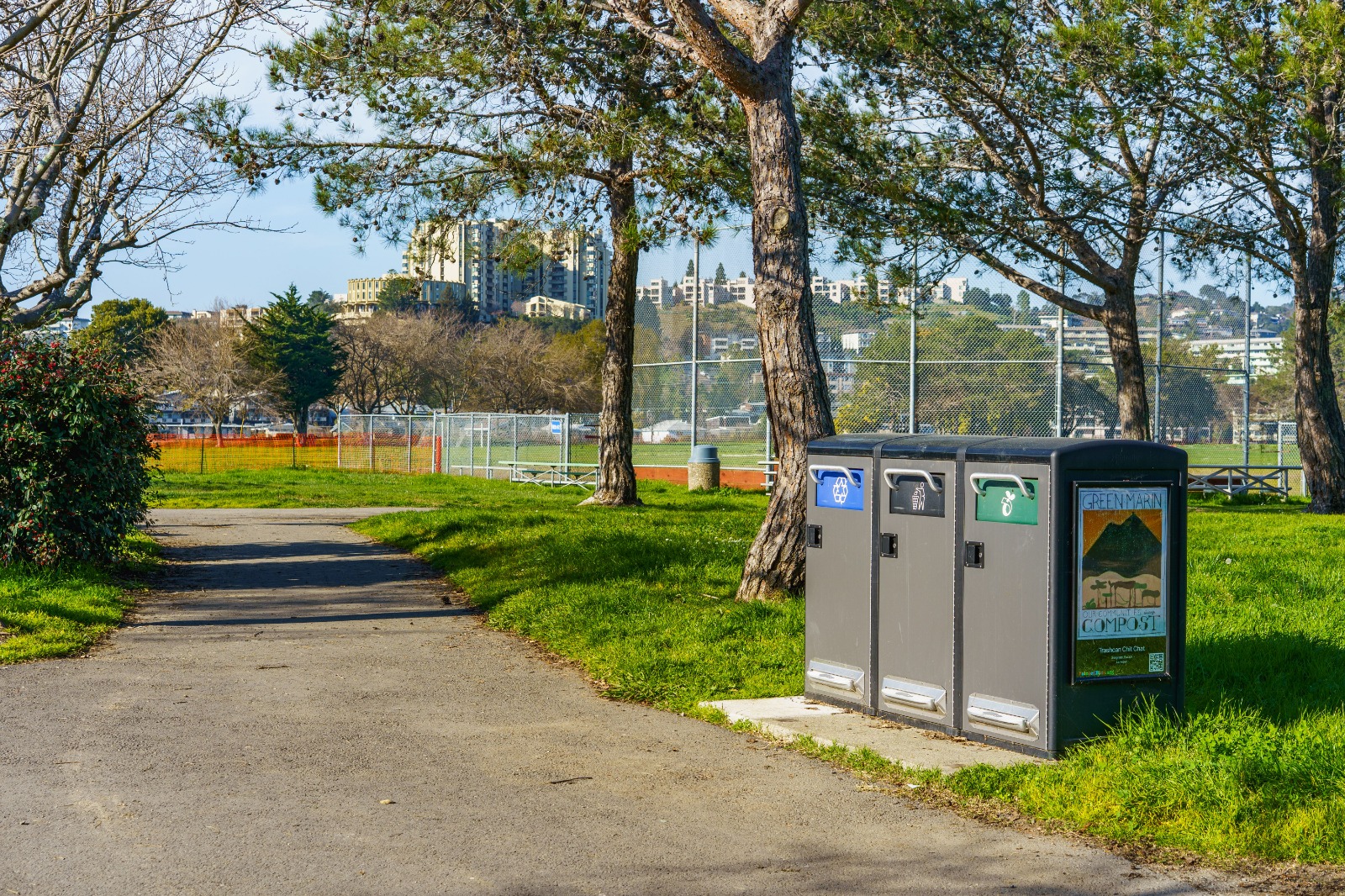
A well-designed park can quickly lose its appeal if it is poorly maintained. Visit at different times of day and look at the condition of grass, trees, benches, playground equipment, paths, restrooms, and trash containers.
Pay attention to signs of neglect, such as overflowing bins, damaged equipment, broken lighting, or poorly maintained landscaping. A little wear is normal, but consistent neglect may indicate larger maintenance issues.
You can also look for information about who manages the space and how frequently maintenance is performed.
Consider What the Park Offers
Different households have different ideas about what makes a park useful. Families may prioritize playgrounds, open lawns, restrooms, and shaded seating. Runners may want paved or well-maintained trails, while dog owners may look for pet-friendly paths or designated areas.
Check whether the park offers features that match your routine. Sports courts, picnic areas, community gardens, walking trails, exercise equipment, and event spaces can make a neighborhood’s outdoor amenities much more useful.
Visit at Different Times
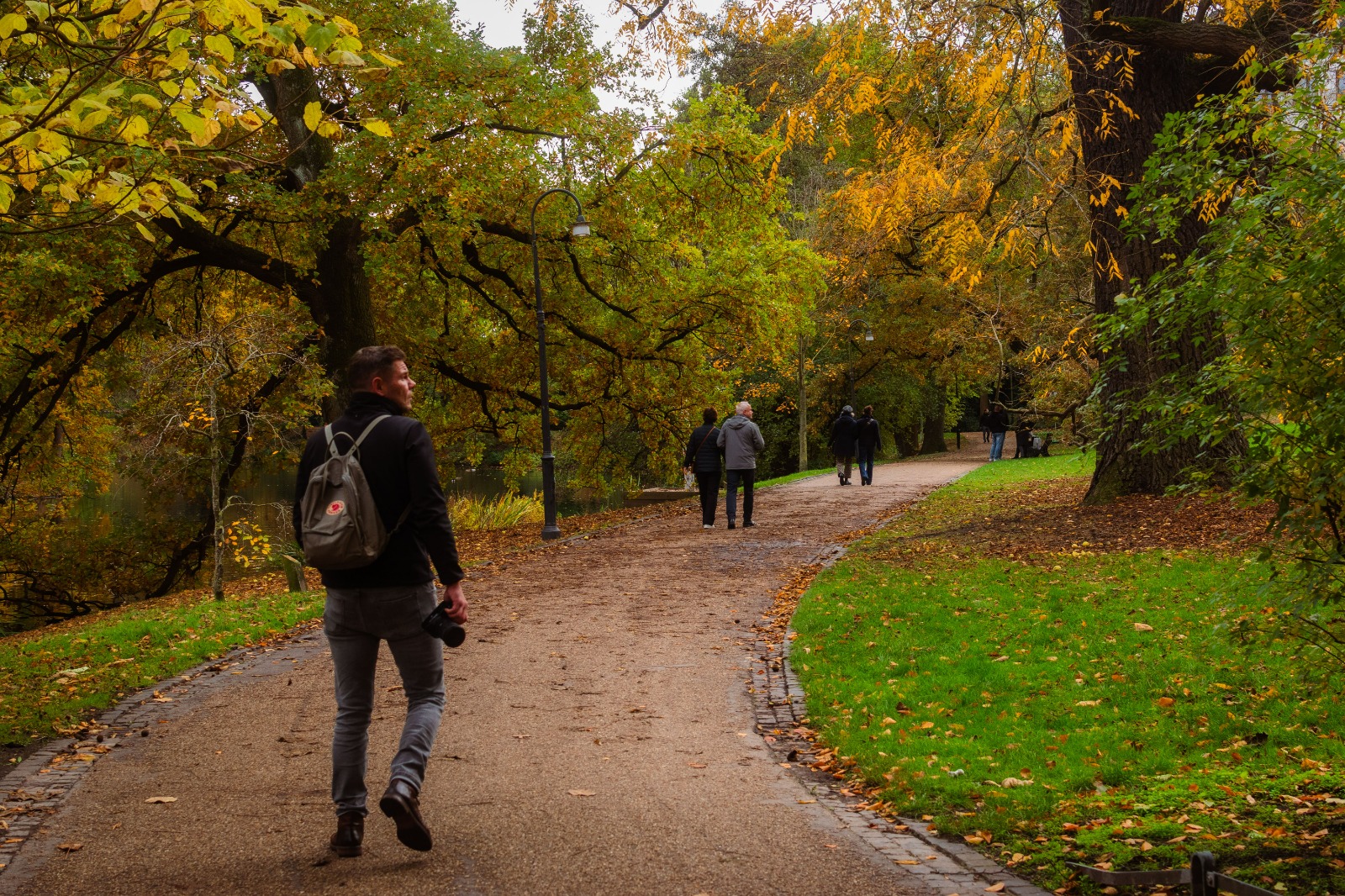
A park can feel completely different depending on when you visit. Stop by in the morning, afternoon, evening, and, if possible, on both weekdays and weekends.
Notice how busy the space becomes, how people use it, and whether there is enough room for everyone. A quiet park may be appealing if you want somewhere peaceful to read, while a lively space may be better if you enjoy community activities.
Different visits can also give you a better understanding of noise, traffic, lighting, and general activity around the area.
Think About Safety and Comfort
Your comfort matters as much as the park’s amenities. Look for adequate lighting, clear sightlines, maintained paths, and reasonable pedestrian activity. Avoid judging safety based solely on appearances. Instead, research local information and observe how the space functions during the hours you are likely to use it.
Shade is another practical consideration, particularly in warm climates. Trees, covered seating, and drinking fountains can make outdoor spaces much more comfortable during hot weather.
Discover: Buying a Home That Supports Health and Wellness: Key Aspects to Consider
Research Future Plans
Finally, find out whether the neighborhood has planned improvements. Local government websites, parks departments, community groups, and planning documents may provide information about upcoming renovations, new trails, playground upgrades, or proposed developments.
Final Thoughts
Evaluating a neighborhood’s parks and green spaces is about more than counting how many parks appear on a map. Consider accessibility, maintenance, amenities, safety, comfort, activity levels, and future improvements. Most importantly, visit the spaces yourself and imagine using them as part of your everyday routine. A neighborhood with outdoor spaces that genuinely fit your lifestyle can make daily life more enjoyable and give you valuable places to exercise, relax, and connect with the community.