
Landlord Blog
Education and news for smart DIY landlords!
10 Things You Must Know About Selling Your Home

Selling your home is a big move—financially, emotionally, and logistically. Whether you’re aiming for top dollar or hoping for a smooth, stress-free sale, a little clarity goes a long way. Here are ten essential things every homeowner should understand before putting a property on the market.
1. Pricing it right is everything.
The listing price sets the tone for your entire sale. Aim too high, and your home may sit without offers. Go too low, and you leave money behind. A comparative market analysis (CMA) helps you anchor your price to real data, not guesswork.
Read more: The Psychology of Homebuyers: How Price Shapes First Impressions
2. First impressions start online.
Most buyers discover listings through their phones or laptops. Clear, bright photos and a polished description can make your home stand out long before anyone schedules a tour.
3. Decluttering makes a bigger difference than you think.

A clean, open space helps buyers imagine themselves living there. Pack away personal items, reduce visual clutter, and keep rooms as tidy as possible during showings.
Read more: How to Declutter Your House in One Day
4. Small upgrades can increase your return.
You don’t need major renovations. Minor improvements—fresh paint, new cabinet hardware, updated lighting—often make your home feel newer and more inviting.
5. Your agent matters.
A strong real estate agent brings strategy, market knowledge, negotiation skills, and marketing support. Choose someone who communicates clearly and understands your goals.
6. Be flexible with showings.
The more available your home is, the more potential buyers will walk through—and the faster offers may come in. It’s inconvenient, but it works in your favor.
7. Expect negotiation.
Offers often come with requests: repairs, credits, or changes to closing timelines. Staying calm and realistic helps you navigate negotiations without unnecessary stress.
8. Inspections aren’t your enemy.
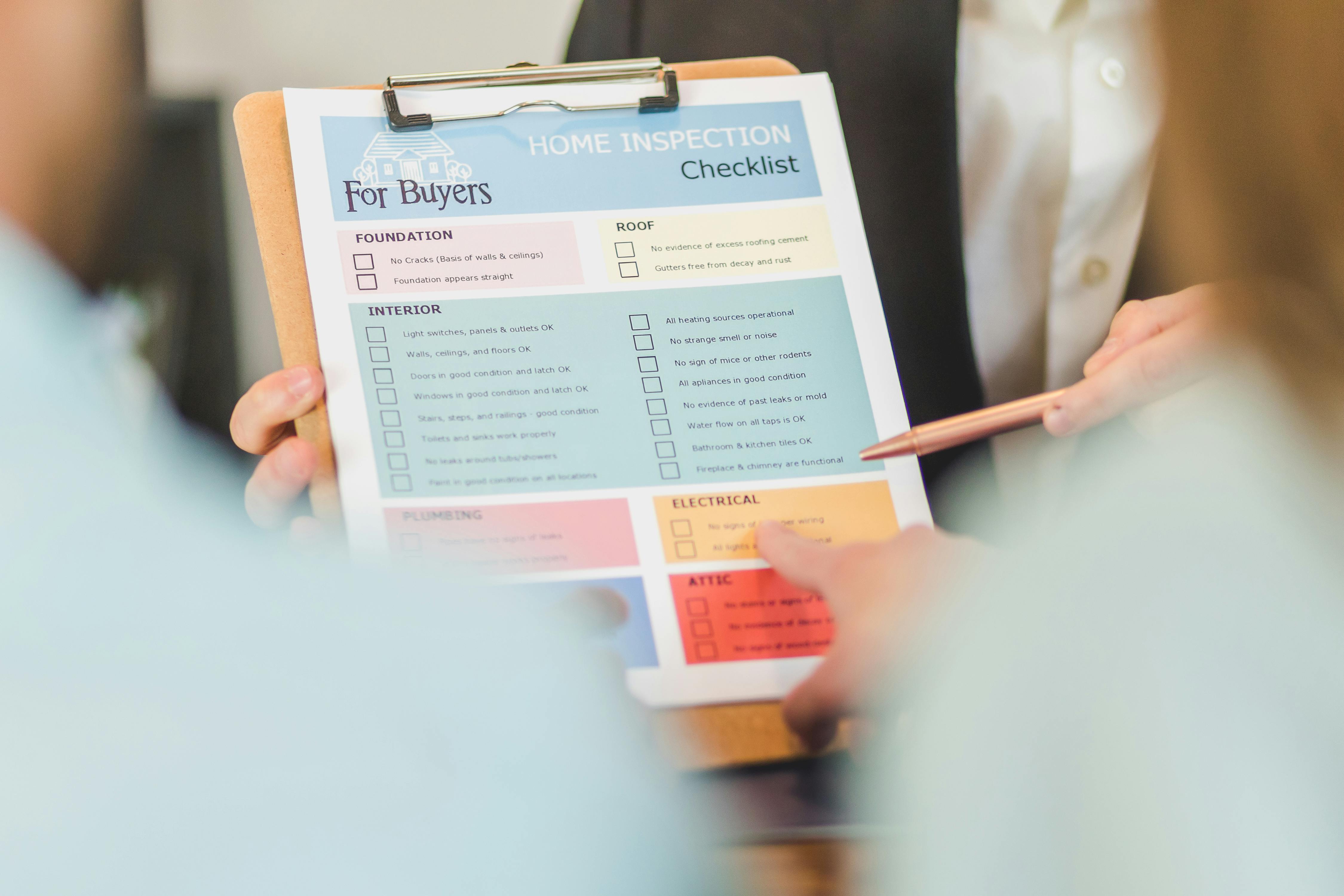
Buyers will likely hire an inspector, and issues may show up—that’s normal. Addressing problems ahead of time or being open to reasonable fixes can keep your deal on track.
9. Know your closing costs.
Sellers often pay for agent commissions, transfer taxes, and certain fees. Understanding these expenses upfront prevents surprises later.
Read more: What You Need to Know About Closing Costs
10. Timing the market helps, but motivation matters more.
Spring and early summer see more active buyers, but life events—job changes, family needs, financial plans—often dictate when it’s best to sell. If you’re prepared and realistic, you can sell successfully in any season.
Read more: The Best Time of Year to Sell a House
Final Thoughts
Selling your home doesn’t have to feel overwhelming. When you understand the process, prepare your home thoughtfully, and partner with the right support, you give yourself the best shot at a smooth sale and a strong return. With the right approach, moving on to your next chapter can feel exciting— not stressful.